A toddler shoe is not a small adult shoe. It is a different product with a different job: it has to protect a foot that is still growing, bend where a small foot bends, stay on during a sprint across the park, and survive mud, puddles, sand and being pulled off and thrown across the room. The best toddler shoes of 2026 do all of that without pinching, rubbing or tripping the child wearing them, and the worst ones fail on the basics long before the colour or the character on the side ever matters.

What Makes a Toddler Shoe Different
A toddler’s foot is not a miniature adult foot. The bones are still soft, the arch is still forming, and the foot is wider at the front than at the heel. A shoe that squeezes the toes together or forces the foot into a narrow shape can cause discomfort that a toddler cannot explain in words, so the child simply refuses to wear the shoes, walks oddly, or trips more often. The best toddler shoes are wide at the toe, flat inside, and flexible enough to twist gently in your hands.
Weight matters more than most parents expect. A heavy shoe changes how a toddler walks, making each step more tiring and less steady. The best toddler shoes feel light when you pick them up, with a sole that bends at the ball of the foot, where toes push off, rather than bending in the middle or not bending at all. Hold the shoe and press the toe upward: it should flex easily. If it feels like a stiff little boot, it will fight every step your child takes.
How to Choose: The Five Things That Matter Most
Start with fit, and measure both feet standing up, not sitting down. A toddler’s feet spread under their weight, so a shoe fitted while sitting can feel fine in the shop and tight on the pavement. Leave about a thumb’s width, roughly a centimetre, between the longest toe and the end of the shoe, and check that the widest part of the foot lines up with the widest part of the shoe. Measure again every two to three months, because toddler feet grow fast and a shoe that fitted in spring can be too small by summer.
Next, look at the fastening. Velcro straps are the easiest option for most toddlers: they can be adjusted quickly, they stay closed, and many children learn to manage them alone, which builds confidence. Elastic laces with a toggle are a good middle ground, holding the foot firmly without knots that come undone. Traditional laces look smart but are slow, and a toddler cannot tie them, so they suit older children better. A shoe with a wide opening and a pull tab at the heel makes mornings much easier.
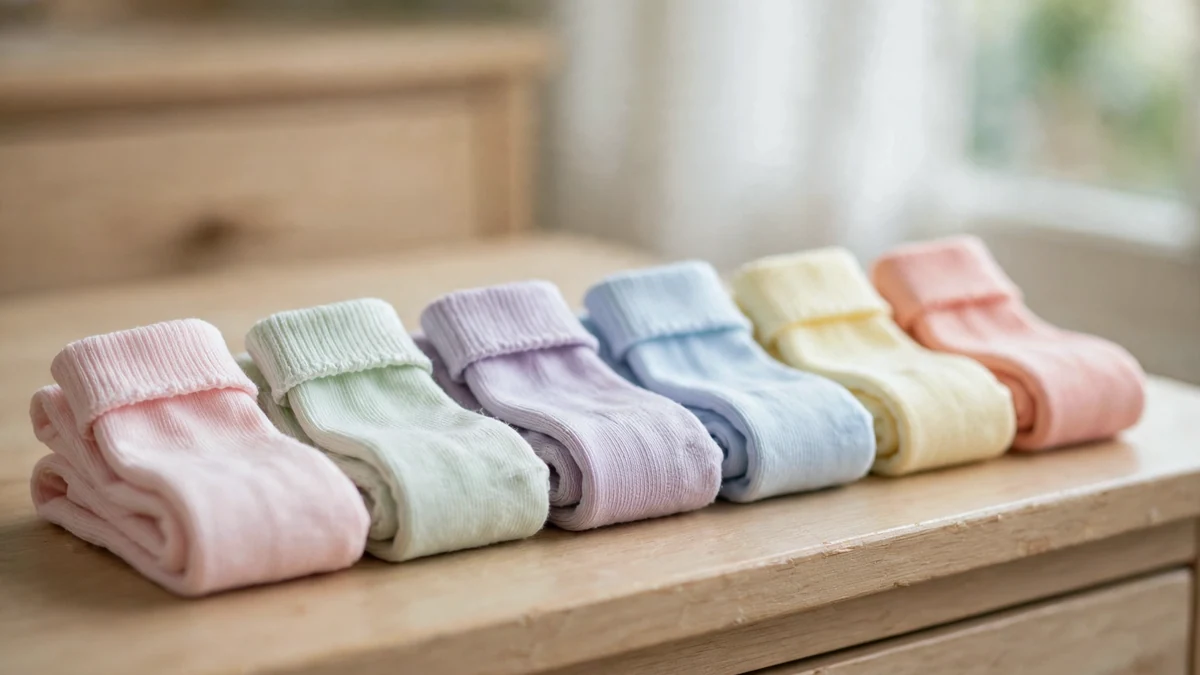
Then check the sole and the materials. The sole should be grippy on smooth floors but not so sticky that it catches and trips a child who is still learning to turn. A lightly textured rubber sole works well indoors and out. The upper should be soft and breathable: leather and canvas let feet breathe and mould gently to the foot, while cheap stiff plastic traps heat and causes blisters. For wet weather, look for a water-resistant finish rather than a fully sealed plastic shoe, which leaves feet sweaty. Socks matter too, and our guide to the best hiking socks for toddlers shows what to look for in a sock that stays up, cushions the heel and does not bunch inside the shoe.
The Best Toddler Shoes of 2026
The eight picks below cover the stages that matter most: first walkers finding their balance, confident walkers who run everywhere, and children who need sandals, boots or something that can handle rain. Each one is judged on fit, flexibility, weight, fastening and how well it holds up after weeks of daily wear.
1. Best Overall First Walker
The best overall first walker is a soft leather shoe with a thin, flexible sole and a wide toe box. It lets a new walker feel the ground under their feet, which helps balance, while still protecting toes from stubbing. The elasticated ankle keeps it on without a strap to fiddle with, and the leather softens quickly. It is the shoe to buy first, before anything sturdier, because it works with a new walker’s gait rather than against it.
2. Best Everyday Sneaker
The best everyday sneaker is a lightweight canvas and mesh trainer with two velcro straps and a grippy rubber sole. It is light enough for all-day wear, breathable enough for warm afternoons, and tough enough for the playground. The straps mean a toddler can put it on alone at nursery, and the reinforced toe cap survives being dragged along the ground. This is the pair that gets worn most often, so buy it in a colour that hides dirt.
3. Best for Wide Feet
Wide feet need a shoe that is genuinely wide, not just a standard shoe with a stretchy upper. The best pick for wide feet has a broad toe box, a removable insole that gives extra room when taken out, and a strap that opens fully so the foot slides in without a struggle. It avoids the red marks and complaints that come from a shoe that is the right length but the wrong width, and it suits children whose feet are broad across the front.
4. Best Summer Sandal
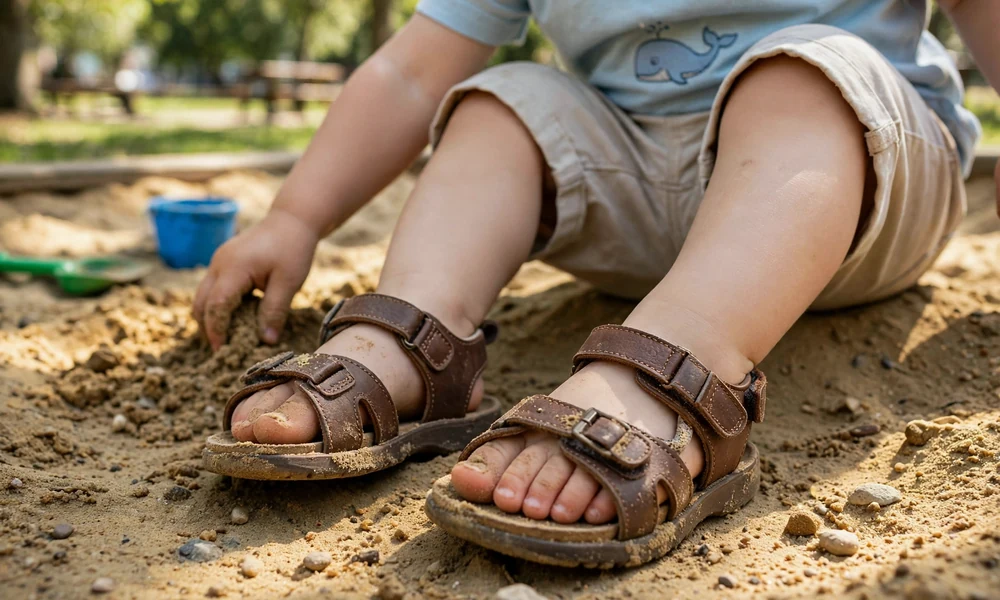
The best summer sandal has a closed toe, a heel strap that cannot slip off, and a sole with enough grip for wet poolside tiles. Open-toe sandals look cool but leave small toes exposed to stubbing, while a closed-toe design protects them and still lets air circulate. Look for quick-drying straps and a footbed that does not become slippery when wet, and rinse sandals after beach days so salt and sand do not stiffen the straps.
5. Best for Rain and Puddles
The best rainy-day shoe is a lightweight waterproof boot with a soft lining, a pull-on handle and a sole that grips on wet pavements. It should be easy to slip on over socks, tall enough to keep puddle water out, and light enough that a toddler does not drag their feet. Avoid heavy adult-style wellingtons in the smallest sizes: they are stiff, they chafe at the calf, and they make walking harder than it needs to be.
6. Best for Nursery and Indoor Play
Nursery shoes spend their lives on smooth floors, so grip and lightness matter more than weatherproofing. The best indoor pick is a soft-soled slipper shoe with a grippy dot-pattern sole, a stretchy opening and a washable fabric upper. It stays on during play, it does not mark floors, and it can go in the washing machine after a week of paint, lunch and garden play. Buy two pairs if you can: one for nursery and one for home.
7. Best for Confident Runners
Once a toddler is running, jumping and climbing, the shoe needs to keep up. The best pick for confident runners is a sturdy sneaker with a supportive heel counter, a cushioned midsole and a sole that grips on grass as well as pavement. It should still bend at the toe and feel light, but the extra structure around the heel stops the foot rolling inward during fast turns. This is the pair for the child who never walks anywhere.
8. Best Winter Boot
The best winter boot for a toddler is warm, waterproof and easy to get on over thick socks, with a wide opening and a single strap or zip. Fleece lining keeps small feet warm without bulk, and a chunky tread grips on frosty paths. Keep the boot light: a heavy boot tires a toddler quickly and makes them more likely to fall. Check the fit with the thickest socks your child will wear, not the thinnest.
First Walkers and Confident Walkers Need Different Shoes
A first walker needs to feel the ground. A thin, flexible sole gives feedback that helps balance, which is why soft leather first walkers and barefoot-style shoes work so well at this stage. A stiff, heavily cushioned shoe hides that feedback, and the child walks more cautiously, or trips more often. Keep first-walker shoes light, low and simple, and let the child spend plenty of time barefoot indoors, where it is safe, so the foot muscles develop naturally.
A confident walker needs protection and grip more than ground feel. Once a child is running, climbing and walking on rough ground, a thicker sole, a reinforced toe and a secure fastening matter more. This is the point to move from soft first walkers to proper sneakers and boots, and to think about the rest of the outfit too: a child who hikes and climbs needs footwear that works as a system, so our guide to the best hiking boots for kids is worth reading before a family walking holiday, even if your child is still a year or two from needing full boots.
Sandals, Boots and the Seasons
One pair cannot do every season. Sandals suit hot days but offer no warmth or rain protection; boots handle winter but make feet sweat in summer; sneakers cover most days in between. A sensible rotation is three pairs: everyday sneakers, sandals for summer, and boots for rain or cold. That sounds like a lot, but toddler shoes are outgrown so quickly that each pair gets only a few months of wear, and a rotation means no single pair is worn to pieces.

What to Avoid
Avoid shoes with a stiff, unbending sole, a narrow pointed toe, or a heel that lifts the foot into an unnatural angle. Avoid hand-me-downs with soles worn down on one side, because they push the next child’s foot into the previous child’s walking pattern. Avoid fashion shoes with hard plastic, glitter that sheds, or decorations that peel off and become choking hazards. And avoid buying a size up to grow into: a shoe that is too big causes tripping, blisters and a strange gait, while a shoe that fits now and is replaced sooner is always the better choice.
Also avoid the temptation to buy the cheapest shoe without checking the sole. Press it, twist it and bend it in the shop. If it does not bend at the ball of the foot, put it back. The best toddler shoes are easy to spot once you know the test: light in the hand, flexible at the toe, wide at the front, and easy to fasten. Anything that fails one of those tests will cause trouble, however good it looks on the shelf.
The Verdict
The best toddler shoes of 2026 are the ones that fit today, bend where feet bend, and stay on without a fight. Start with a soft first walker, move to a light velcro sneaker for everyday wear, and add sandals and boots as the seasons demand. Measure often, replace promptly, and trust the signs your child gives you: a toddler who walks happily, runs confidently and never asks to take their shoes off is wearing the right pair. For the rest of the family’s footwear, our guide to the best walking shoes of 2026 covers comfortable adult options for the long walks, school runs and park trips that come with toddler life.