Deodorant is the one product almost everyone uses every day and almost nobody thinks about until it fails. A good deodorant is invisible: no smell by lunchtime, no damp patches, no white marks on a dark shirt, no sting after shaving, . A bad one fails quietly at first and then all at once, usually by the afternoon. The best deodorants earn their place quietly, day after day, while the worst announce themselves at the worst possible moment.
This comparison puts the best deodorants of 2026 head to head against the worst, judging them the way you would actually live with them: how long the freshness lasts, whether they control sweat as well as smell, how kindly they treat your skin, and whether they mark your clothes. Our guide to the deodorants worth switching to in 2026 covers the strongest individual picks
Key Takeaways
- Lasting power is everything: a good deodorant still works at the end of a long day, while a bad one gives up by lunchtime.
- Deodorant and antiperspirant are different jobs: one fights smell, the other fights sweat.
- White marks are a deal-breaker: the worst formulas leave chalky streaks on dark clothes that survive the wash.
- Skin kindness matters: the best formulas soothe freshly shaved skin, while the worst sting, itch and leave redness.
- Format is personal: stick, spray, roll-on and cream all work, but each suits a different routine.
How Deodorant Actually Works
Sweat itself has almost no smell. The smell comes later, when the bacteria that live naturally on your skin break down the proteins and fats in your sweat into the sharp, sour compounds we recognise as body odour. A deodorant makes life harder for those bacteria, usually with antibacterial ingredients, and masks what is left with fragrance. An antiperspirant works differently: its aluminium salts form a temporary plug in the sweat ducts, reducing how much sweat reaches the surface in the first place.
The first thing to check on any deodorant is what it actually promises. A plain deodorant is honest about fighting odour only, and it suits people who sweat lightly and want something gentle. An antiperspirant deodorant promises both dryness and freshness, and it suits people who sweat more, exercise, or spend long days in warm rooms. A natural or aluminium-free deodorant skips the sweat-blocking salts and relies on baking soda, magnesium or zinc.
Skin is the second thing to understand, because the underarm is some of the most sensitive skin on the body. It is warm, it folds, it rubs against itself all day, and it is often freshly shaved, which leaves tiny nicks that sting when a harsh formula goes on. The best deodorants glide on smoothly, dry quickly without leaving a sticky film, and contain soothing ingredients that calm the skin.
Deodorant vs Antiperspirant: Which One Do You Need?
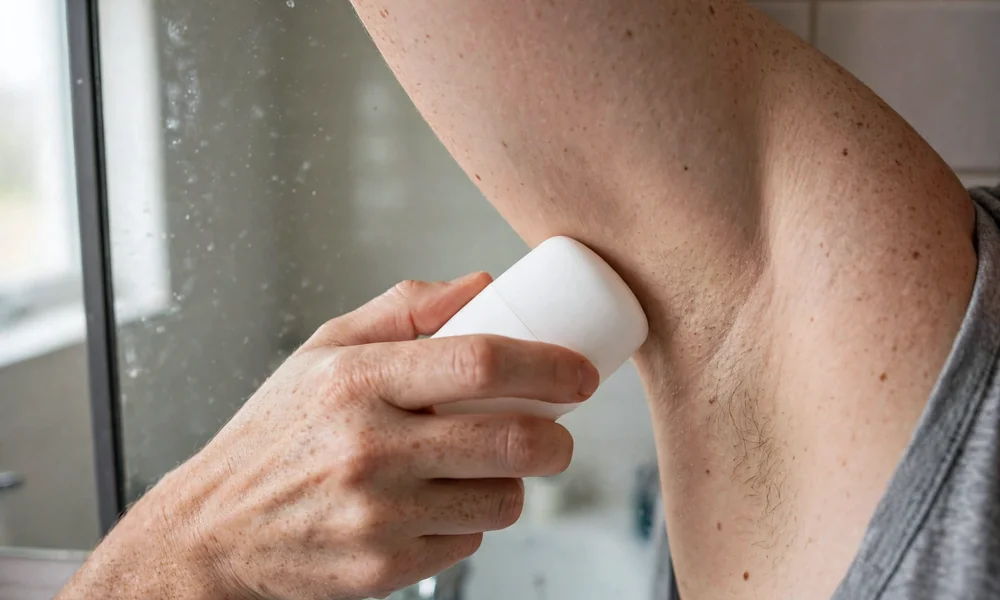
The simplest test is the shirt test. If your shirts stay dry but start to smell by the afternoon, you need a better deodorant, because odour is your problem and sweat is not. If your shirts show damp patches under the arms but do not smell much, you need a stronger antiperspirant. If both happen, you need a combined antiperspirant deodorant.
Timing matters too, and this is where most people get antiperspirant wrong. Antiperspirant works best when applied at night, to clean, completely dry skin, because the aluminium salts need several hours to form their plugs in the sweat ducts while you sleep and sweat less. Applied in a rush in the morning, on skin still damp from the shower, much of it washes straight off before it can work.
The Best Deodorants of 2026
The best deodorants of 2026 share a handful of qualities that show up within the first day of use. They go on smoothly, with no grit and no dragging, and they dry within a minute or two, so you can get dressed without waiting around. They keep working for a full day, not just a few hours, so that by the evening you smell much the same as you did in the morning. They leave no white marks on dark clothes and no yellow stains on white ones.
Scent is where the best deodorants show restraint. A good scent is clean and subtle, the kind of fresh smell that sits close to the skin and fades into the background, rather than a cloud of perfume that follows you into every room. The best formulas smell of clean skin, light citrus, soft woods or a faint herbal note, and they smell the same at six in the evening as they did at eight in the morning.
Longevity is the hardest quality to fake and the easiest to test. Wear a new deodorant on a normal working day, then again on a warm day or a day with a workout, and notice when it stops working. The best deodorants hold up through both, with freshness that survives a commute, a long meeting, a gym session and the journey home.
Skin kindness is the quality that turns a good deodorant into one you keep buying for years. The underarm is delicate, and the best formulas are built around that fact, with moisturisers and soothing ingredients that leave the skin soft rather than dry and tight. Our comparison of the best and worst moisturisers of 2026 shows how much difference a gentle formula makes.
The Worst Deodorants of 2026
The worst deodorants fail in ways that are obvious within hours. The most common failure is fading: the scent is strong and pleasant when you first apply it, but by lunchtime it has gone entirely, and by the afternoon the smell of sweat has taken its place. These are deodorants that mask odour for an hour and do nothing about the bacteria that cause it, so they are really just perfume for your armpits, and a short-lived one at that.
White marks are the second great failure, and the most annoying one, because the damage shows up on your clothes rather than on your skin. The worst formulas leave chalky white streaks on dark shirts and dresses, and yellow stains in the underarms of white shirts that build up wash after wash until the shirt is ruined. This happens when the formula is too heavy, too waxy, or loaded with ingredients that transfer from skin to fabric and never fully wash out.
Irritation is the third failure, and the one that matters most, because it is your skin telling you the formula is wrong for you. Stinging on freshly shaved skin, itching that starts an hour after applying, or a rash that appears after a few days of use are all signs of a formula that is too harsh or too fragranced. Baking soda, which many natural deodorants rely on, is a common culprit: it is alkaline, it disrupts the skin’s natural acidity, and it leaves many people with a red, sore rash.
The last failure is scent, and it is the one people notice in others before they notice it in themselves. The worst deodorants smell of cheap perfume, of chemicals, or of a heavy sweet fragrance designed to be noticed across a room. Worse still, some scents turn sour as they mix with sweat through the day, so that by the afternoon you smell worse than if you had worn nothing at all.
Stick, Spray, Roll-On or Cream: Which Format Wins?
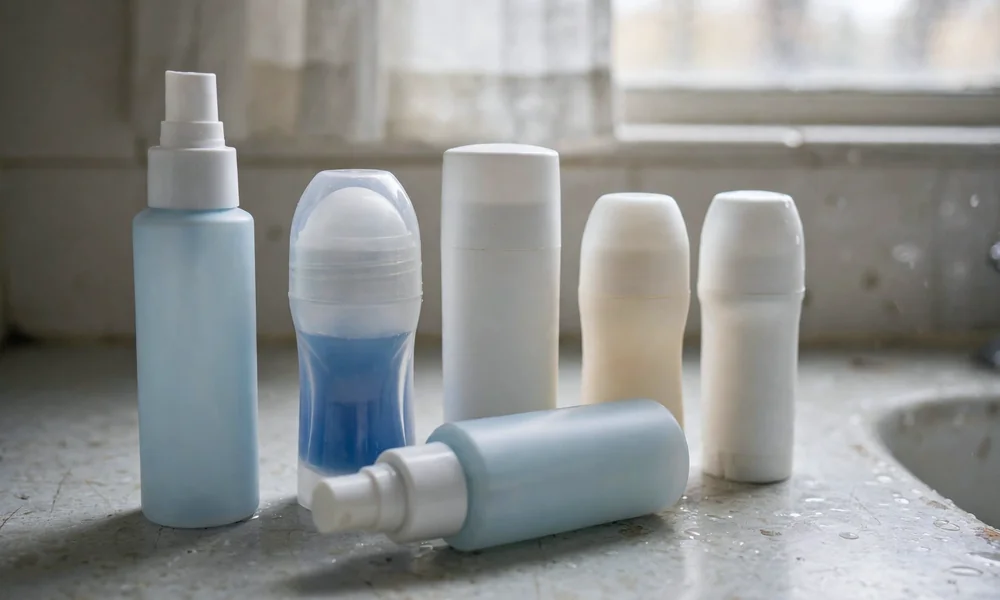
The stick is the most popular format for a reason: it is quick, it is precise, it travels well, and it gives you a solid layer of product exactly where you want it. The best sticks glide on smoothly without dragging or crumbling, and they dry fast. The worst sticks are waxy and hard, they drag on the skin, they leave crumbs in the underarm, and they build up a white layer that transfers straight onto your clothes. The spray is the fastest format and the best for a hurry, because it dries almost instantly and leaves no sticky residue.
The roll-on is the gentlest format and the best choice for sensitive skin, because it lays down a thin, even layer of liquid that dries into a light film. The best roll-ons dry within a minute and are kind to freshly shaved skin, while the worst stay wet for ages, leaving you standing with your arms in the air waiting to get dressed. The cream is the newest format and the most divisive: it comes in a pot or a tube, you apply it with your fingers, and it is usually made with natural ingredients and no aluminium.
How to Test a Deodorant Before You Commit
The honest way to test a deodorant is to wear it for a full week, not a single morning, because the first day tells you about scent and the seventh day tells you about everything else. On day one, notice how it feels going on, how long it takes to dry, and whether it stings. By day three, notice whether it still works at the end of the day or fades by lunch. By day seven, notice whether your skin is calm or irritated and whether your dark shirts have white marks.
Give your skin a break between tests. If you switch from one deodorant to another every day, you will never know which one caused a rash or which one actually worked, because the effects overlap. Use one product for a week, then give your skin a day or two with nothing before you try the next one. The most common mistake is applying deodorant to dirty or damp skin: it works by fighting bacteria, and if you apply it over a day’s worth of sweat, it is fighting a battle it has already lost.

Who Should Pick What
If you sweat lightly and your skin is sensitive, a gentle roll-on or a fragrance-free stick is your best bet, because it will be kind to your skin and strong enough for your needs. If you sweat heavily, exercise most days, or work in a warm environment, a combined antiperspirant deodorant applied at night is the right choice, and you should judge it on dryness first and scent second. If you prefer natural products, a magnesium or zinc-based cream or stick is worth trying, but be honest about whether it lasts the whole day. If you travel a lot, a solid stick is the easiest format to pack, because it will not leak in your bag. Our guide to the best shampoos of 2026 makes the same point: the best product fits how you actually live.
The Verdict
The best deodorants of 2026 are the ones you forget about: they go on smoothly, they dry fast, they keep you fresh and dry until bedtime, they leave your clothes unmarked and your skin calm, and their scent is so subtle you barely notice it. The worst are the ones you notice all day, for all the wrong reasons: the scent that fades by lunch, the white marks on your dark shirts, the sting on freshly shaved skin, and the damp patches that appear by the afternoon. Choose by how a deodorant performs on a hard day, not by how it smells in the shop, and once you find one that works, stick with it, because a deodorant you can rely on is one less thing to think about every morning.