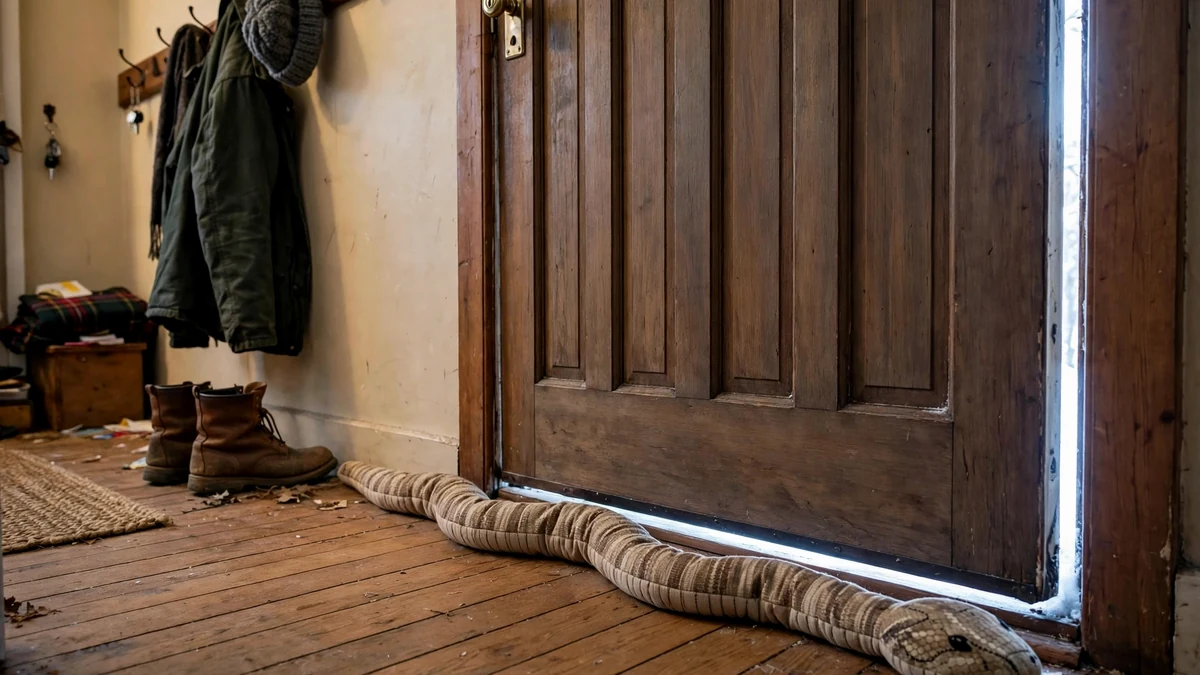
Weather stripping that seals drafty windows in 2026 is one of the cheapest ways to make a home warmer, quieter and less expensive to heat, and it works far better than most people expect. A thin gap around a window frame can leak as much warm air as a small open vent. The right strip closes that gap and keeps the heat you have already paid for inside the room where it belongs.
Choosing the best weather stripping is not about buying the thickest foam on the shelf. It is about matching the strip to the gap and the way the window opens, because a strip that suits a sliding sash can be useless on a casement window, and one that seals well in October can peel off by January if the surface was dusty or damp. This guide compares the strongest weather stripping of 2026 and helps you pick a seal that holds all winter.
Key Takeaways
- Measure the gap first: foam tape suits gaps up to about five millimetres, while wider or uneven gaps need V-strips or tubular rubber seals.
- Match the strip to the window type: sliding sashes, casements and fixed windows all need different profiles.
- Clean and dry the frame before fitting, because even the best adhesive fails on dust or damp paint.
- Foam is cheap and easy but wears fastest; silicone and EPDM rubber last far longer.
- Test the seal with a sheet of paper: if it slides out easily when the window is shut, the strip is too thin.
Why Drafty Windows Cost More Than You Think
A drafty window does more than make one corner of a room feel cold. It forces the heating to work harder, and that shows up on the bill month after month. Warm air escapes through the gaps around the sash and frame, cold air is drawn in to replace it, and the room never quite reaches the temperature on the thermostat.
The gaps are usually only a millimetre or two wide, but they add up: around one old sash window the total open area can be surprisingly large. Weather stripping closes those gaps without changing the window itself, which is why it is usually the first draught-proofing job worth doing.
Types of Weather Stripping Compared
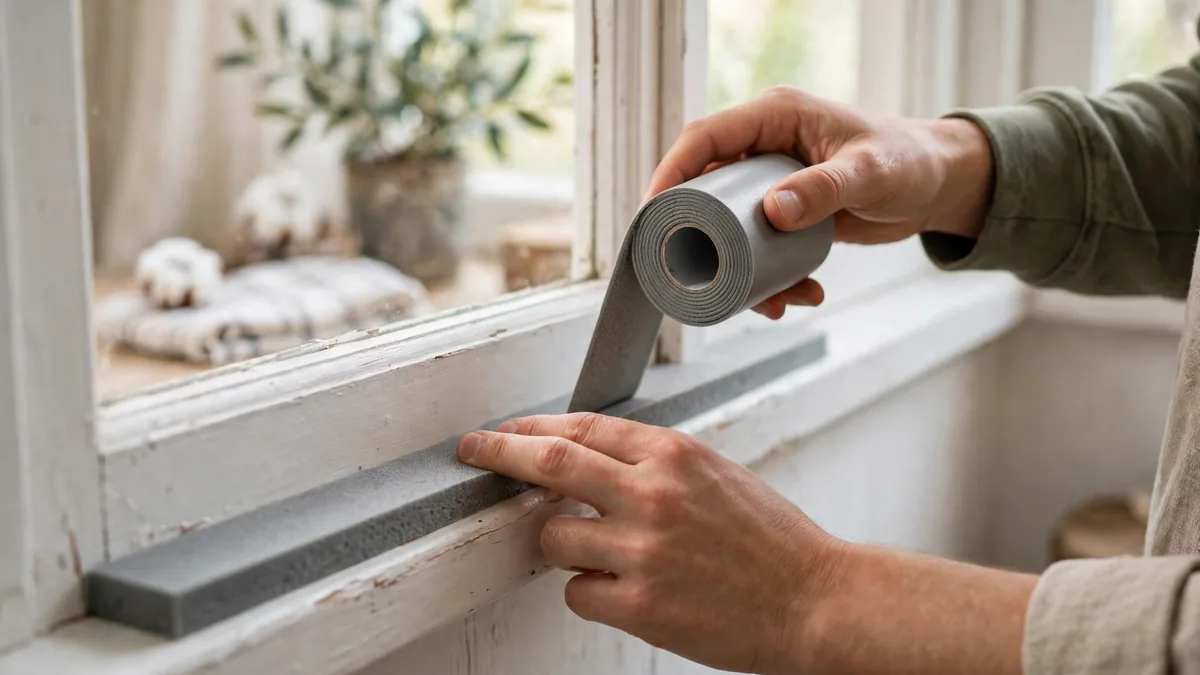
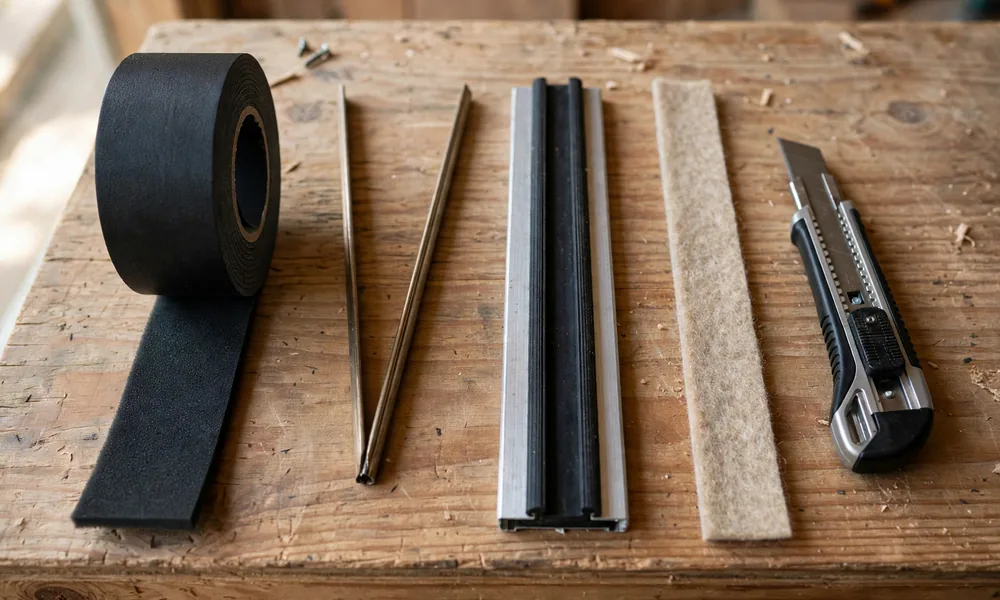
Foam tape is the simplest and cheapest option. It comes on a roll with a sticky back, presses into place in minutes, and compresses to fill small, even gaps. It is ideal for a first attempt, but it flattens over time and usually needs replacing every year or two. Closed-cell foam resists moisture better and lasts longer than open-cell foam.
V-strips, also called tension seals, are folded strips of metal or plastic that spring open to fill the gap. They last for years, suit sliding windows well, and need no adhesive, which makes them a good choice for painted wood that will not hold tape. Tubular rubber and silicone seals are the premium option: a hollow tube that compresses evenly, seals uneven gaps, and survives years of opening and closing.

Felt strips still have a place on very old windows, where they are cheap, easy to cut and gentle on delicate paint. They do not seal as tightly as foam or rubber, and they absorb moisture, so keep them for dry, sheltered windows. Brush seals suit sliding doors and sash windows where a solid strip would create too much friction.
The Best Weather Stripping of 2026
We judged every strip on sealing power, durability, ease of fitting, cold and damp performance, and value. The five picks below cover every window type and budget.
Best Overall: Frost King Closed-Cell Foam Tape
Frost King closed-cell foam tape is the best weather stripping for most windows in 2026. It compresses evenly, sticks firmly to clean wood, metal and vinyl, and resists moisture far better than open-cell foam. A roll covers several windows and seals gaps of up to five millimetres without making the window hard to close. It is also the cheapest fix in this guide.
Best for Long Life: M-D Building Products Silicone Tubular Seal
The M-D silicone tubular seal is the pick for anyone who wants to fit weather stripping once and forget about it. The hollow silicone tube compresses to fill uneven gaps, springs back after every opening, and stays flexible in freezing weather. It costs more than foam, but it can last five years or more.
Best for Sliding Windows: Duck Brand V-Strip
Duck Brand V-strips are made for sliding sashes, where a sticky strip would drag and peel. The folded plastic springs open against the frame, seals the gap without glue, and lets the sash slide freely. It is durable and invisible when the window is shut. Fitting takes patience, because the strip must sit squarely in the channel.
Best Budget: Keliiyo Foam Seal Tape, Multi-Pack
The Keliiyo multi-pack is the strongest budget weather stripping we found. Several rolls in different widths let you match the strip to each window, and the adhesive holds well on clean surfaces. It will not last as long as silicone, but for a whole house on a tight budget it is hard to beat.
Best for Old Windows: Schlegel Aquamac Felt and Brush Seal
Schlegel Aquamac seals are the pick for old and listed windows, where modern foam can look wrong and damage delicate paint. The felt and brush profiles seal gently and suit uneven gaps in old timber. They do not seal as tightly as silicone, but they protect the window while cutting the draught.
How to Measure and Fit Weather Stripping
Start by finding the gaps. On a cold day, run the back of your hand around the closed window, or hold a lit candle near the frame and watch for the flame bending. Then measure each gap with modelling clay: press it in, close the window, and measure how much it compressed. That tells you the thickness you need.
Clean the frame first. Wash it with warm soapy water, let it dry completely, and wipe it with rubbing alcohol to remove grease. Cut the strip to length, peel back a short section of backing, and press it firmly into place in short sections so it stays straight. Close the window gently, check it shuts without forcing, and leave the adhesive to cure overnight.
The paper test is the simplest check. Shut a sheet of paper in the window and try to pull it out: it should resist firmly, but the window should still close without a struggle. If the paper slides out easily, the strip is too thin. If the window will not close, it is too thick. Do not double up strips: two thin strips rarely seal as well as one of the right thickness.
Mistakes That Ruin a Good Seal
The most common mistake is fitting weather stripping to a dirty or damp frame, which is why so many strips peel off within weeks. The second is choosing the thickest strip available; it usually means a window that will not close and a strip crushed flat within days. Measure first, buy the right thickness, and the strip will last.
Another mistake is sealing a window that needs to breathe. Bathrooms and kitchens need ventilation to clear moisture, so leave a trickle vent open or seal only the worst gaps there. Sealing every window with no other ventilation can trap damp air inside and lead to condensation and mould. Draught-proofing works best alongside controlled ventilation, not instead of it.
If your windows still feel cold after draught-proofing, heavier window coverings can help. Our guide to the best blackout curtains of 2026 covers curtains that add an extra layer of insulation, and our roundup of the best blinds for every room shows which blinds help most with heat loss. Our guide to the best smart thermostats for apartments explains how to heat only the rooms you are using.
Weather Stripping Compared
| Weather Stripping | Best For | Typical Price | Lifespan | Why It Wins |
|---|---|---|---|---|
| Frost King foam tape | Most windows | Around $8 a roll | 1 to 2 years | Cheap, easy, seals well |
| M-D silicone tubular | Long life | Around $18 a roll | 5 years or more | Flexible in cold, springs back |
| Duck Brand V-strip | Sliding windows | Around $12 a pack | 3 to 5 years | No glue, slides freely |
| Keliiyo foam multi-pack | Tight budgets | Around $10 for several rolls | 1 to 2 years | Many widths, good value |
| Schlegel Aquamac | Old windows | Around $15 a pack | 2 to 3 years | Gentle on old timber |
Weather Stripping Buying Checklist
- Find every gap first, using your hand or a candle flame on a cold day.
- Measure the gap thickness before buying, so the strip compresses without forcing the window shut.
- Match the profile to the window type: foam for casements, V-strips for sliders, tubular seals for uneven gaps.
- Clean and dry the frame fully, and wipe it with rubbing alcohol before fitting adhesive strips.
- Test each window with the paper test after fitting, and adjust before moving on to the next one.
- Check the seals every autumn, and replace any strip that is flat, cracked or peeling.
Frequently Asked Questions
How much money does weather stripping save?
A well-sealed home can cut heating costs by five to ten percent, depending on how drafty the windows were to begin with. The saving is biggest in older homes with single glazing and worn frames. Either way, a few rolls of foam tape usually pay for themselves within a single winter.
Can I fit weather stripping myself?
Yes, it is one of the easiest home improvements there is. Foam tape needs only scissors and a clean frame, and most windows take less than fifteen minutes each. V-strips and tubular seals take a little longer, but need no special tools. If a window is badly warped or the frame is rotten, fix the frame first, because no strip can seal a window that does not close squarely.
How long does weather stripping last?
Foam tape usually lasts one to two years, felt about the same, and V-strips three to five years. Silicone and EPDM rubber seals last longest, often five years or more, because they spring back after every use instead of going flat. Sunlight, damp and frequent opening shorten that life, so check the seals each autumn.
Will weather stripping stop condensation?
It can reduce condensation on the glass, because less cold air reaches the inside of the window, but it will not cure damp on its own. If a room has no ventilation, sealing the windows can trap moist air inside and make condensation worse. Keep a trickle vent open in bathrooms and kitchens.
What is the best weather stripping for a sliding sash window?
V-strips are usually the best choice for sliding sashes, because they seal without glue and let the sash slide freely. Brush seals are a good second choice for old sashes with uneven gaps. Foam tape can work on a sash that rarely moves, but it tends to drag and peel on windows opened every day.
Can weather stripping be removed without damage?
Foam tape usually peels off cleanly, especially if you warm it gently with a hair dryer first, though it can lift flaking paint on old frames. V-strips and brush seals come out without adhesive at all. If you are renting, choose a removable option and test a small patch first.
The Bottom Line
Weather stripping that seals drafty windows in 2026 does not need to be expensive or complicated. Measure the gap, match the strip to the window, clean the frame properly, and fit it carefully. For most homes, Frost King foam tape is the best place to start, the M-D silicone seal is the best long-term buy, and Duck Brand V-strips are the best choice for sliding windows. Do that, and the cold corners disappear and the whole house feels warmer for the price of a few rolls of tape.