Finding the best wine glasses for rosé starts with a simple truth: rosé is not a lighter red or a pinker white. A good rosé glass protects the wine’s delicate strawberry and citrus aromas, keeps it cool in your hand, and lets its pale salmon colour catch the light.
The right glass makes a real difference. The same rosé poured into a narrow flute can smell muted and flat, while in a wide, warm bowl it loses its chill and freshness within minutes. Between those extremes sits a shape that balances aroma, temperature, and refreshment.
Below, we compare the glass styles that work best for rosé in 2026, explain what to look for before you buy, and answer the questions people ask most often.
Key Takeaways
- The best wine glasses for rosé have a medium bowl with a slightly tapered rim, which gathers delicate aromas without trapping warmth.
- A long stem matters more for rosé than for most wines, because it keeps your hand away from the bowl and the wine properly chilled.
- Thin, light crystal feels better and shows the wine’s colour more clearly than thick, heavy glass.
- One versatile tulip-shaped glass can serve still rosé, sparkling rosé, and even light white wines.
- Buy a set of four or six matching glasses rather than mixing shapes, so every guest gets the same experience.
Why Rosé Needs Its Own Glass
Rosé occupies a middle ground in the wine world, and its glass should too. It is made mostly from red grapes, yet it is fermented and served like a white wine, chilled and fresh. That calls for a glass that borrows from both sides: enough bowl to let aromas develop, but not so much that the wine warms up before you finish it.
What Makes Rosé Different From Red and White Wine
Rosé gets its colour from brief contact between grape juice and red grape skins, usually a few hours rather than days or weeks. The result has the fresh acidity of a white and a whisper of red fruit, but far less tannin than either. Its aromas are delicate — wild strawberry, watermelon, rose petal, and citrus zest — and they need a glass that collects them gently rather than scattering them.
Temperature is the other defining factor. Rosé is best served well chilled, between 7 and 10 degrees Celsius, and it warms up quickly in a warm room or a warm hand. A stemmed glass keeps your fingers off the bowl, and a smaller bowl means smaller pours more often, so each glass stays cold.
The Bowl, the Rim, and the Stem
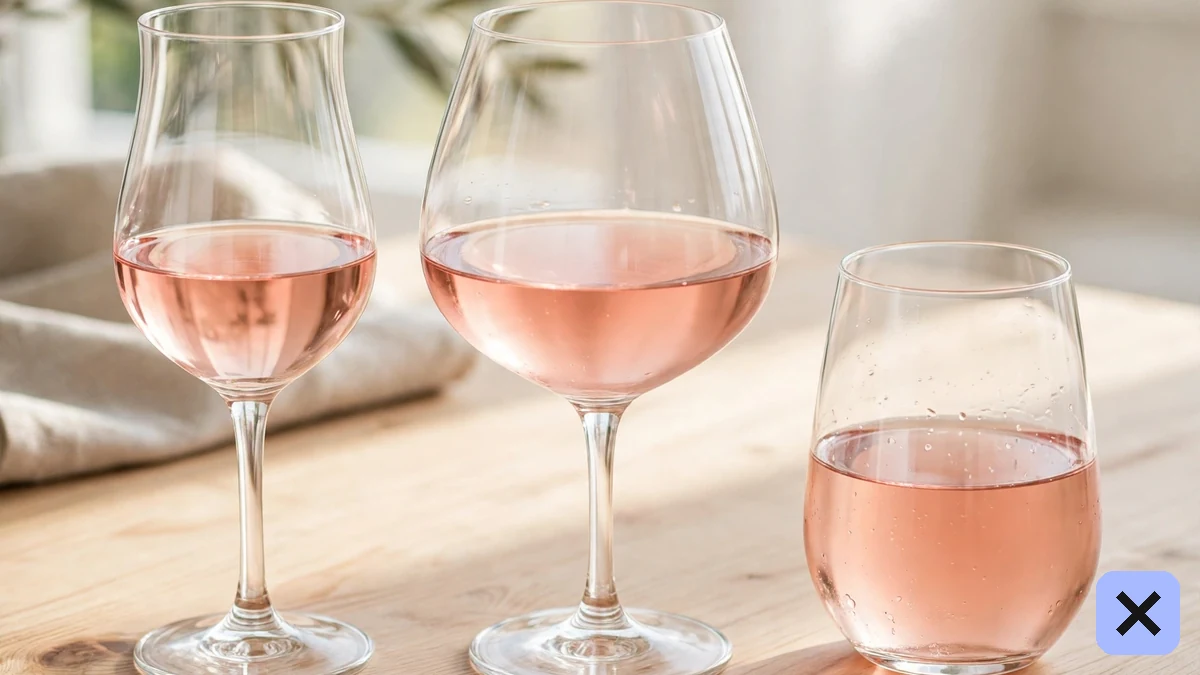
Three features decide how a rosé glass performs. The bowl should hold around 350 to 450 millilitres, with room for a proper pour plus space for aromas to gather. A bowl that is too small concentrates alcohol fumes; one that is too large lets the wine warm and the aromas drift away. The rim should taper inward slightly, focusing aromas toward your nose. The stem should be long enough to hold without your hand touching the bowl, and the base wide enough that the glass stands steadily.
The Best Wine Glasses for Rosé in 2026
We judged each style on aroma, temperature control, comfort, durability, and value.
| Glass Style | Bowl Size | Best For | Price Range |
|---|---|---|---|
| Tulip rosé glass | 350–450 ml | Everyday still rosé | ££ |
| White wine glass | 300–400 ml | Light, pale rosé | £–££ |
| Universal wine glass | 400–500 ml | One glass for all wines | ££–£££ |
| Flute | 180–220 ml | Sparkling rosé | £–££ |
| Stemless glass | 350–450 ml | Casual outdoor drinking | £ |
| Coupe | 200–250 ml | Rosé cocktails | £–££ |
1. The Tulip Rosé Glass: The Best All-Rounder
If you buy only one style of rosé glass, make it a tulip. Its bowl is fuller at the bottom and narrows toward the rim, gathering the wine’s strawberry and floral aromas while leaving room for a generous pour. It works with pale Provençal rosé, deeper Spanish rosado, and even a lightly sparkling pink. Most good tulip glasses are thin crystal, light in the hand and clear enough to show the wine’s colour, and they are usually dishwasher safe.
2. The White Wine Glass: Best for Pale, Delicate Rosé
A standard white wine glass is a strong second choice, particularly for the palest styles. Its smaller bowl preserves the wine’s chill and focuses its subtle aromas, and most households already own a set. The drawback is capacity: a small bowl means smaller pours and more frequent refills. Still, if you want one glass for both white wine and rosé, this is a sensible pick, and our guide to wine glasses for white wine explains the finer points of choosing that style.
3. The Universal Wine Glass: Best for Small Cupboards
Universal glasses suit red, white, and rosé alike, with a medium bowl and a gently tapered rim. They are the answer when cupboard space is limited or when you would rather own one excellent set than three specialised ones. A well-made universal glass gives rosé enough room to open up without letting it warm too quickly. The compromise is small: it will not focus rosé aromas quite as precisely as a dedicated tulip, but most drinkers will barely notice.
4. The Flute: Best for Sparkling Rosé
Sparkling rosé deserves a flute. The tall, narrow shape preserves the bubbles, keeps the wine cold, and shows off the stream of fizz rising through the pale pink wine. A good flute also concentrates the aromas at the rim, so you get red berries and citrus with each sip. Flutes are less suited to still rosé, because the narrow bowl restricts the aromas of a wine that is not sparkling. Keep flutes for fizzy bottles and tulips for still ones. When choosing what to pour, our roundup of the best sparkling wines is a useful starting point.
5. The Stemless Glass: Best for Casual and Outdoor Drinking
Stemless glasses are stable, hard to knock over, easy to store, and relaxed in the hand. For a barbecue, a picnic, or a casual evening on the patio, a stemless rosé glass is a practical and attractive choice. The trade-off is temperature: without a stem, your hand warms the bowl directly, so the wine heats up faster. The fix is simple — pour smaller amounts and keep the bottle in an ice bucket between pours.
6. The Coupe: Best for Rosé Cocktails
The wide, shallow coupe is the classic cocktail glass, and it suits rosé-based drinks such as a rosé spritz or a pink gin fizz. Its broad surface shows off garnishes beautifully, and its vintage shape adds a sense of occasion. Do not use a coupe for still rosé on its own, though: the wide opening lets aromas escape and the wine warm up within minutes. Keep coupes for cocktails and reach for a tulip when drinking rosé straight from the bottle.
How to Choose the Right Rosé Glass
Choosing a rosé glass comes down to matching the glass to how you actually drink.
Rosé Glass Buying Checklist
- Pick the right shape first. A tulip or universal glass suits most rosés; a flute suits sparkling rosé; a stemless glass suits casual outdoor drinking.
- Check the bowl size. Look for 350 to 450 millilitres, leaving room for the wine to breathe without warming too fast.
- Feel the rim. A thin, smooth rim feels better on the lips; avoid thick, rolled rims that feel clumsy.
- Hold the stem. It should be long enough to grip without your fingers touching the bowl, with a base that sits flat and steady.
- Choose crystal over thick glass. Thin crystal is lighter, clearer, and shows the wine’s colour more accurately.
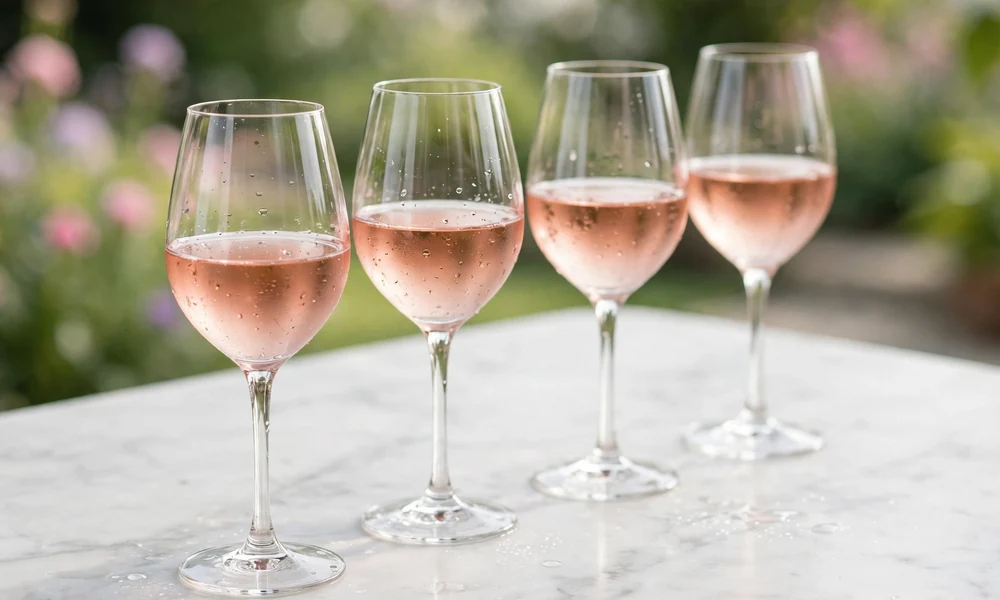
- Buy a matching set. Four or six identical glasses look better and give every guest the same experience.
Serving Rosé Properly
Even the best glass cannot rescue rosé that is served too warm. A few simple habits make the most of both the wine and the glass.
Getting the Temperature Right
Chill rosé in the fridge for at least two hours, or for twenty minutes in an ice bucket filled with ice and cold water. Aim for 7 to 10 degrees Celsius. Once poured, rosé warms up quickly, so pour modest amounts of around 120 to 150 millilitres and refill often. Keep the bottle in an ice bucket or back in the fridge between pours, and hold the glass by its stem.
Pouring, Pairing, and Presentation
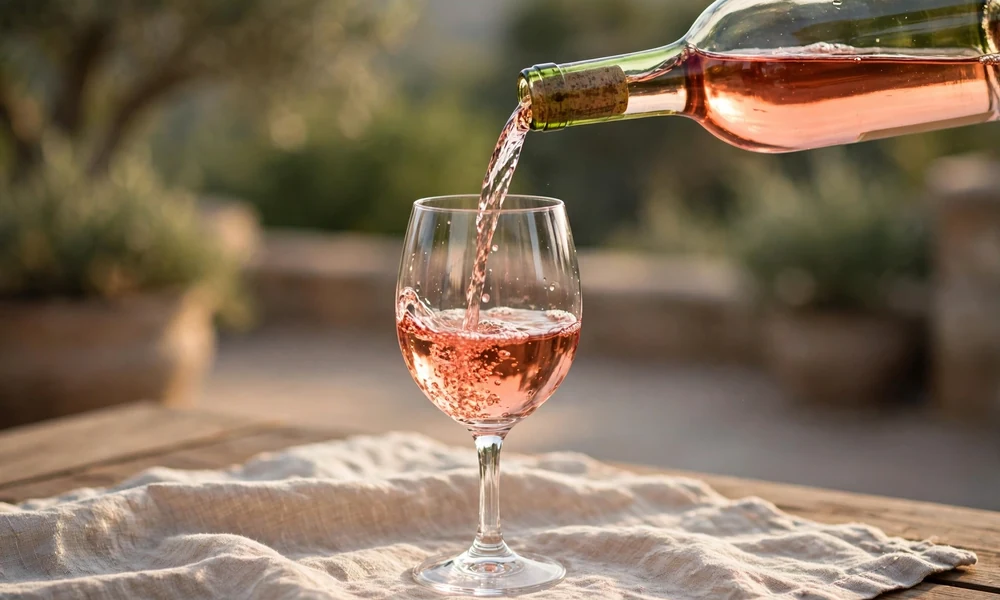
Pour gently, leaving about a third of the bowl empty so the aromas have room to gather. A clean glass matters: detergent residue can flatten the bubbles in sparkling rosé and leave streaks that spoil the colour. Rinse in hot water, air dry upside down, and polish with a lint-free cloth if needed. Rosé pairs beautifully with light summer food — grilled prawns, goat’s cheese salads, roast chicken, sushi, and Mediterranean dishes with tomato, olive oil, and herbs.
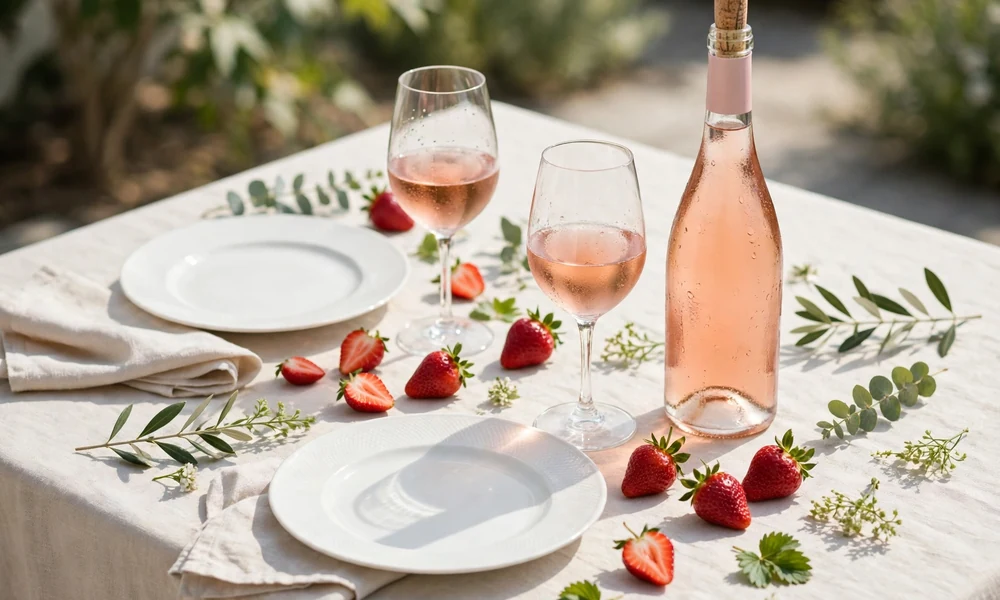
Caring for Your Rosé Glasses
Good wine glasses last for years when looked after. Wash them soon after use, before residue dries onto the bowl, using warm water and a small amount of mild washing-up liquid. Many modern crystal glasses are dishwasher safe, but the top rack is safest, and glasses should never touch each other during the cycle. If you wash by hand, hold the glass by the bowl rather than the stem, the most common point of breakage.
Cloudiness is the most common complaint with older glasses, usually caused by hard water or detergent build-up. Soaking cloudy glasses in warm water with a splash of white vinegar, then rinsing and polishing, will often restore their sparkle. If it does not clear, it may be permanent etching from too many harsh dishwasher cycles. If you are building a collection for different styles, compare shapes side by side: our guide to wine glasses for red wine shows how a larger bowl changes a fuller wine, and the contrast explains why rosé sits happily in the middle.
Frequently Asked Questions
What is the best glass shape for rosé wine?
A tulip-shaped glass with a medium bowl and a slightly tapered rim is the best all-round choice for still rosé. It gathers delicate aromas, keeps the pour cool, and suits both pale and deeper styles.
Can I drink rosé from a red wine glass?
You can, but it is not ideal. Red wine glasses have large bowls designed for wines that need plenty of air, and rosé served in one warms up faster and loses its fresh aromas.
Should rosé be served in a stemless glass?
Stemless glasses are fine for casual and outdoor drinking, where stability matters more than temperature control. For the best flavour, a stemmed glass is better, because it keeps your warm hand away from the chilled wine.
What is the best glass for sparkling rosé?
A flute is the best glass for sparkling rosé. Its tall, narrow shape preserves the bubbles, keeps the wine cold, and shows off the stream of fizz.
How many rosé glasses should I buy?
A set of six is the most practical choice for most households. A set of four works well for smaller households.
Are expensive rosé glasses worth it?
Up to a point, yes. Thin, well-made crystal genuinely feels better and shows the wine more clearly than thick, heavy glass, and a good set will last for years. Beyond the mid-range, the differences become subtle.
The Bottom Line
The best wine glasses for rosé are tulip-shaped, stemmed, and made from thin, light crystal, with a medium bowl that balances aroma and temperature. That one shape covers almost every still rosé you are likely to pour, while a flute handles sparkling rosé and a stemless glass covers casual outdoor drinking. Choose a matching set of four or six, chill the wine properly, and hold the glass by its stem.