A ski boot has one job: to hold your foot firm, transfer every small move to the ski, and keep you warm and comfortable from the first lift to the last run. The worst ski boots of 2026 fail at it in ways that ruin a day on the mountain. They pinch and bruise, freeze your toes by mid-morning, or slip out of their buckles on the first steep pitch. Skiers buy them hoping for a boot that feels like part of the leg. What they get is a boot that hurts, a boot that freezes, or a boot that will not hold the ski at all.

Shells That Pinch and Bruise
A ski boot is a hard plastic shell, and the worst shells pinch in exactly the places a foot cannot bear it. A shell that is too narrow squeezes the forefoot, a shell with a sharp edge digs into the ankle bone, and a shell that is the wrong shape for your foot presses on the instep until it bruises. The pain starts as pressure on the first run and becomes a bruise by lunch, and a skier with a bruised foot cannot put weight on the ski, so the skiing falls apart with the foot.
Try the boot on properly before you buy, standing in it for at least fifteen minutes, and feel for pressure on the ankle bones, the instep, and the sides of the forefoot. A good boot feels snug all over, with even pressure and no single hot spot, and the shell should match the width of your foot, not just the length. A boot fitter can stretch a shell in the right places, but a shell that pinches in three places is the wrong shell, not a fitting problem. Walk around the shop, flex forward, and stand on the edges of your feet, because a boot that pinches standing still will pinch worse on the snow. A boot that fits is a boot you forget, and a boot that pinches is a boot you will think about on every turn.
Liners That Pack Out
Inside the shell sits a liner, and the worst liners pack out within weeks. A liner made of cheap foam compresses under the pressure of the foot, so the boot that felt snug in the shop becomes loose and sloppy after a month, and the foot slides around inside the shell. A liner that packs out is a liner that has failed, because the boot depends on it to fill the space between the foot and the shell, and a boot with a packed-out liner is a boot that no longer fits.
Look for a boot with a liner made of dense, heat-mouldable foam, which holds its shape far longer than cheap open-cell foam, and have the liner moulded to your foot by a fitter, which fills the gaps properly from the start. Check the liner after a month of skiing: if the heel pocket has gone baggy or the tongue has gone flat, the liner is packing out and the boot is losing its fit. A good liner lasts for seasons, not weeks, and it can be replaced when it finally wears out, which is cheaper than replacing the whole boot. A boot with a solid liner stays snug, and a boot with a liner that packs out will feel loose by the end of the season.
Buckles That Slip or Snap
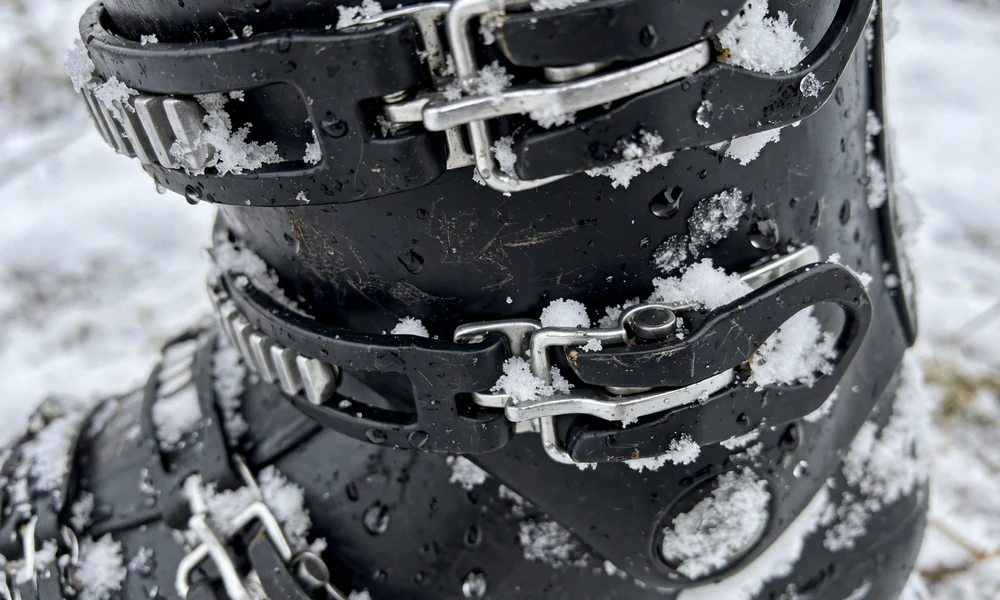
A ski boot is held shut by buckles, and the worst buckles slip or snap at the worst moment. A buckle with weak teeth slips open under load, so the boot loosens on a steep pitch, and a buckle made of thin metal snaps in the cold, leaving the boot impossible to close. The problem is worst on cheap boots, where the buckles are stamped from thin steel, the micro-adjustment does not hold, and the catches are too small to work with gloves on.
Check the buckles before you buy: they should close with a firm click, hold their setting under pressure, and be large enough to work with gloves on. Look for buckles with a micro-adjustment that moves in small steps, so the fit can be tuned precisely, and check that the catches are metal, not plastic, because plastic goes brittle in the cold. Test each buckle by closing it, pulling hard, and opening it again, because a buckle that slips in the shop will slip on the mountain. A boot with solid buckles stays shut all day, and a boot with buckles that slip will loosen on the first steep run. If the rest of the ski kit needs sorting, our guide to the best ski goggles of 2026 covers the goggles that keep your vision clear in a whiteout.
Cold Feet by Mid-Morning
A ski boot should keep your feet warm, and the worst boots leave them freezing by mid-morning. A shell with no insulation, a liner that is too thin, and a fit so tight it cuts off the circulation all add up to cold feet, and cold feet are the fastest way to end a ski day. The problem is worst on boots bought too small, because a tight boot squeezes the blood out of the foot, and a foot with no blood flow gets cold however warm the liner is. A skier with frozen toes cannot feel the skis, cannot balance properly, and will be in the lodge by lunch, however good the snow is. A boot that freezes your feet is a boot that has failed at the most basic thing it is for.
Buy the boot a little roomy rather than a little tight, because a foot that can move slightly stays warmer than a foot that is squeezed, and wear a thin, warm ski sock, not a thick one that bunches up. Look for a boot with a warm liner and a shell that seals out the snow, and check that the power strap at the top closes properly, because snow that gets in at the cuff melts and freezes the foot. Heated insoles help, but they cannot fix a boot that is too tight, so fit comes first and gadgets second. A boot that keeps your feet warm all day is a boot worth owning, and a boot that freezes them by mid-morning is a boot that will cut every ski day short.
Flex That Fights the Skier
A ski boot bends forward as you ski, and the stiffness of that bend is called the flex. The worst boots get the flex wrong for the skier wearing them: a boot that is too stiff will not bend at all, so the skier cannot pressure the front of the ski and the turns never happen, while a boot that is too soft collapses forward, so the skier is always over the front and out of balance. The problem is worst on boots bought by flex number alone, because a flex of 100 feels very different on a light skier than on a heavy one, and a boot that suits a racer will fight a beginner.
Choose the flex to match your weight and your skiing, not the number on the box: a lighter skier needs a softer flex, a heavier skier needs a stiffer one, and a beginner should start softer than they think, because a boot that bends easily is a boot that lets you learn. Flex the boot in the shop by leaning forward with your knees bent, and feel whether the boot bends smoothly or fights you. A boot with the right flex bends when you push it and springs back when you ease off, and a boot with the wrong flex either will not move or collapses. A boot that flexes with you is a boot that helps you ski, and a boot that fights you is a boot that will hold your skiing back.
Binding Fit That Never Quite Works
A ski boot locks into a binding, and the worst boots never quite fit the binding properly. A boot with worn soles rocks in the binding, so the release works unpredictably, and a boot with soles that are the wrong shape will not click in cleanly, so the skier has to stamp and wiggle to get the binding to close. The problem is worst on boots with cheap, soft soles that wear down quickly, because the binding depends on the sole being the right shape and thickness to hold and release safely.
Check the soles before you buy: they should be hard, flat, and the right shape for the binding, with no wear, no cracks, and no soft spots. Have the binding adjusted by a technician to match the boot, because the release setting depends on the boot sole length, and a binding set for the wrong boot will not release properly. Walk on snow, not on tarmac, because tarmac wears the soles down fast, and check the soles at the start of every season. A boot that clicks into its binding cleanly and releases when it should is a boot that keeps you safe, and a boot that never quite fits is a boot that puts your knees at risk. If the younger skiers need kit too, our guide to the best kids ski helmets of 2026 covers the helmets that protect the smallest heads on the slope.
What to Buy Instead
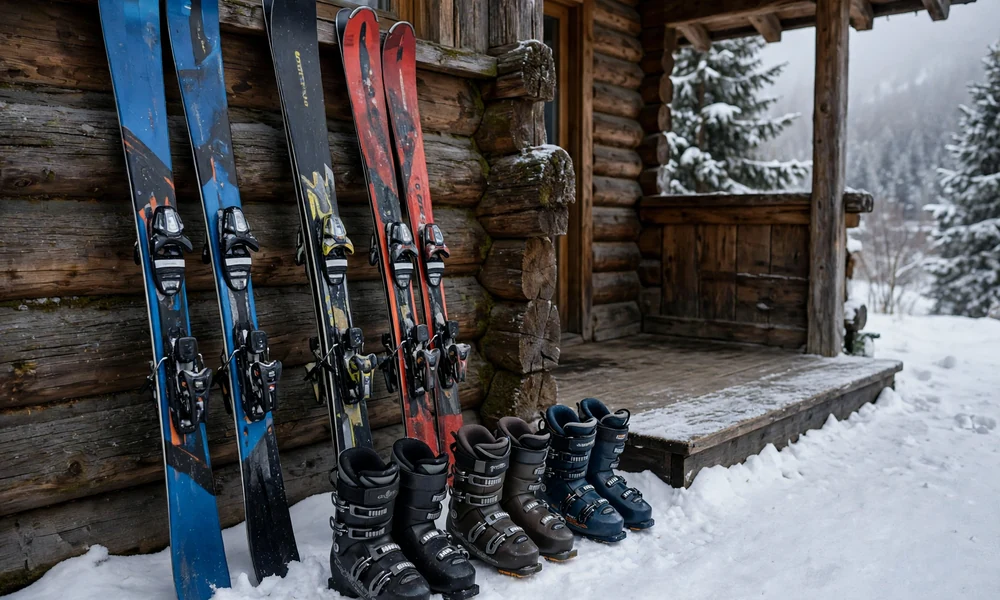
The ski boots worth buying share a short list of features, and none of them is expensive on its own. A shell that matches the width of your foot, with even pressure and no hot spots, and a dense, heat-mouldable liner that holds its shape for seasons. Buckles that close with a firm click and hold under load, a flex that matches your weight and your skiing, and soles that are hard, flat, and the right shape for the binding. If a boot fails any one of those checks, keep looking.
Fit matters as much as build, and the boot should suit the skier in front of you rather than the skier in the photograph. Try the boot on for fifteen minutes, flex it, and walk in it before you buy, and have the binding adjusted by a technician to match. A boot that fits your foot and your skiing is a boot that gets worn every trip, and a boot that fights either will be left in the cupboard. If the journey to the slopes needs sorting, our guide to the best ski racks of 2026 covers the racks that carry the skis without scratching the car.
The Bottom Line
The worst ski boots of 2026 share a pattern: shells that pinch and bruise, liners that pack out, buckles that slip or snap, cold feet by mid-morning, flex that fights the skier, and binding fit that never quite works. Avoid those six failures and you avoid almost every ski-boot regret. Try the boot on for fifteen minutes, check the buckles, and have the binding adjusted properly. Do that, and the boot you buy will be the one that carries you through the season, not the one that sends you to the lodge by lunch.