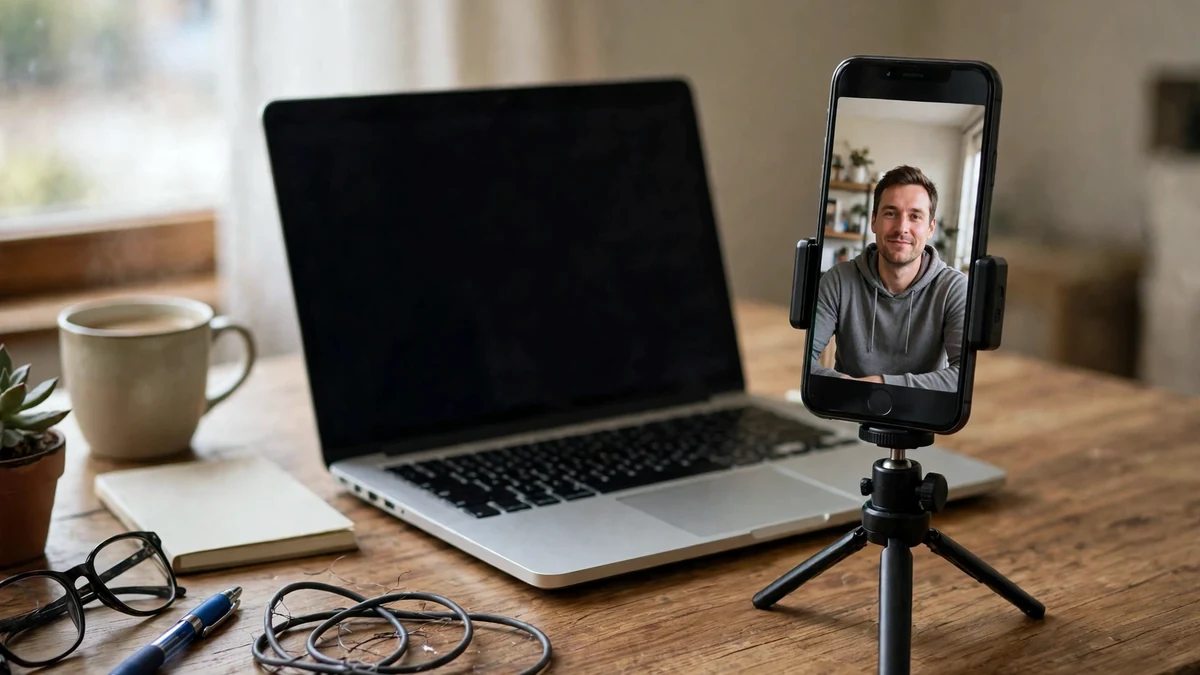
A phone tripod has one job: to hold your phone exactly where you put it, keep it still while the shutter is open, and free both of your hands for the shot itself. The worst tripods for phones in 2026 fail at it in ways that leave a creator with a phone that slips, sags, or falls to the floor mid-recording. They will not grip the phone, will not stay upright, or will not lock at the angle you need. People buy them hoping for steady video, sharp night shots, and hands-free calls. What they get is a stand that drops the phone, a stand that wobbles, or a stand that is left in a drawer after one use.
Clamps That Do Not Fit the Phone
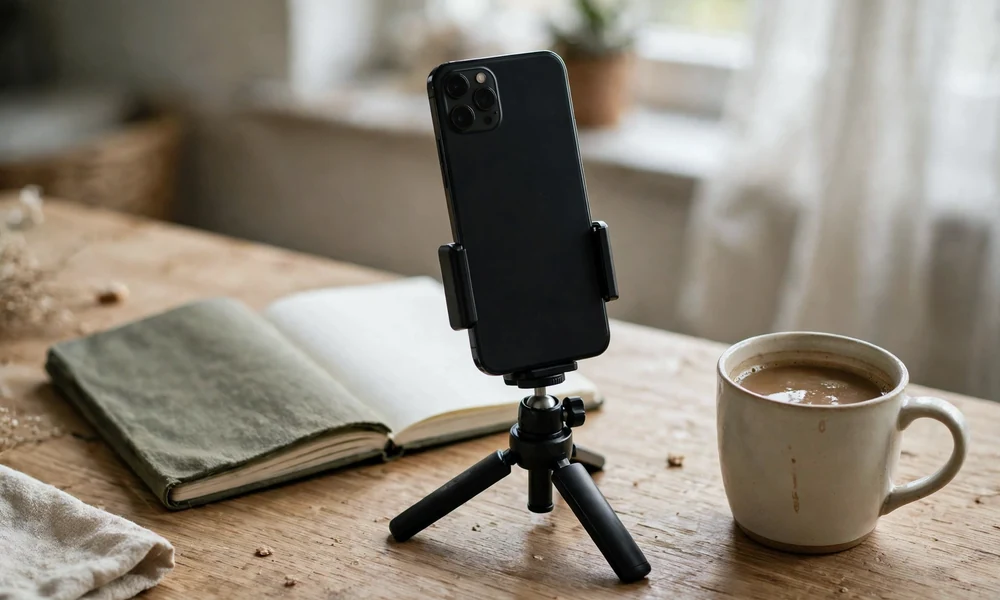
A phone tripod holds the phone with a clamp, and the worst clamps do not fit the phone at all. A clamp that opens too narrow will not take a phone in its case, so the phone has to be stripped bare before every shot, and a clamp that opens too wide will not grip a small phone, so the phone rattles and slides. The problem is worst on cheap clamps, where the pads are hard plastic that scratches the phone, the spring is weak, and the clamp presses on the volume or power buttons, so the phone changes volume or switches off in the middle of a recording. A clamp that does not fit is a clamp that cannot be trusted, because the phone is the most expensive thing in the setup, and a clamp that drops it is a clamp that has failed completely.
Check the clamp before you buy: it should open to at least nine centimetres, wide enough for the largest phones in their cases, with soft rubber pads that grip without scratching. Test it with your phone in its case, and check that the pads clear the side buttons, because a clamp that presses the power button will switch the phone off mid-call. A good clamp grips firmly with one hand and releases cleanly, and it holds the phone upright for calls and sideways for video without slipping. A clamp that fits your phone is a clamp that keeps it safe, and a clamp that does not is one that will drop it.
Legs That Slip and Sag
A phone tripod stands on three legs, and the worst legs slip and sag. A mini tripod with smooth plastic feet slides across a desk at the slightest nudge, so the phone creeps out of frame during a long call, and a tripod with legs that do not lock sags slowly under the weight of the phone, so the shot that started level ends up pointing at the ceiling. The problem is worst on cheap tripods, where the leg joints are loose plastic that wears out in weeks, and the feet have no rubber at all. A tripod that will not stay put is a tripod that cannot be trusted, because a stand that moves is worse than no stand at all, and a phone that slides off a desk is a phone that breaks.
Look for a tripod with legs that spread wide and lock firmly, with rubber feet that grip a smooth desk. Test the legs in the shop by setting the tripod up, putting a phone in it, and nudging the desk: a good tripod stays put, and a bad one slides. Check the leg joints too, because they should feel firm, not loose and rattly, and the tripod should stand steady on a flat surface without rocking. A tripod with solid legs is a tripod that holds the shot, and a tripod with legs that slip is one that will let the phone down. If the full-size end of the range interests you, our guide to the best tripods of 2026 covers the bigger stands, including models that accept a phone clamp.
Heads That Will Not Lock
A phone tripod is aimed with a ball head, and the worst heads will not lock. A ball head that slips lets the phone droop slowly, so the video that started framed on your face ends up framed on the ceiling, and a head with no separate pan lock flops sideways the moment you loosen it to adjust the angle. The problem is worst on cheap tripods, where the head is a single plastic ball with a tiny locking knob, and the knob strips after a few uses, so the head cannot be tightened at all. A head that will not lock is a head that cannot be aimed, because the phone goes where gravity takes it, not where you put it, and a creator who has to hold the phone in place has no hands free for anything else.
Look for a tripod with a ball head that tilts and turns smoothly and locks with a single firm twist, so you can switch from upright to sideways in seconds. Check the lock in the shop by tilting the phone to a steep angle and letting go: a good head holds, and a bad one droops. A head with a separate pan lock is worth having, because it lets you frame precisely without the phone flopping when you loosen the knob. A head that locks is a head that holds the shot, and a head that slips is one that will ruin every take.
Selfie-Stick Legs That Topple
A selfie-stick tripod is two tools in one, and the worst ones topple the moment they are set down. The tripod base has legs so short and narrow that the phone, extended a metre up on the stick, acts as a lever, and the whole thing falls over at the slightest breeze or nudge. The problem is worst on cheap selfie sticks, where the legs are an afterthought: thin, short, and with no rubber feet, so the stand only works on a perfectly flat table, and nowhere else. A selfie-stick tripod that topples is a tripod that drops the phone from a metre up, which is high enough to crack a screen, and a creator who has to watch the stand instead of the camera is a creator who cannot film.

Look for a selfie-stick tripod with legs that splay wide and have rubber feet, holding the phone steady even at full extension indoors. Check the stick too, because it should extend smoothly, lock firmly at any length, and not flex or wobble when fully extended with a heavy phone on top. Test the stand by setting it up, extending it fully, and tapping the table: a good stand stays upright, and a bad one falls. A selfie-stick tripod that stands firm is a stand that films with you, and one that topples is a stand that will break your phone. If the handheld end of the range suits you, our guide to the best selfie sticks of 2026 covers the sticks that film you at arm’s length.
Plastic Joints That Crack
A phone tripod is folded and unfolded dozens of times, and the worst ones crack at the joints. A leg joint made of thin plastic splits after a few weeks of use, a hinge on the clamp snaps, or the thread that screws the clamp onto the tripod strips, so the parts no longer fit together. The problem is worst on the cheapest tripods, where every joint is plastic, the plastic is thin, and the tripod is sold as disposable, even though the phone it holds is not. A tripod that cracks is a tripod that cannot be fixed, because the joints are moulded, not screwed, and a tripod that falls apart in the bag is a tripod that will not be there when you need it.
Look for a tripod with metal joints and a metal clamp, especially at the top of the stand, where the load is greatest. Check the joints in the shop by folding and unfolding the tripod a few times, and feel whether they move smoothly or grind and catch. A good tripod uses metal where it matters and plastic only where it does not, and it will survive being folded a hundred times. A tripod with solid joints is one that lasts, and a tripod with plastic joints is one that will crack within a month.
Remotes and Mounts That Fail
A phone tripod often comes with extras, and the worst extras fail first. A Bluetooth remote shutter that will not pair, pairs and then disconnects, or has a battery that cannot be replaced is a remote that does not work, and a creator who has to walk back to the phone to start recording has no hands free for the shot. The cold shoe mount on top of the clamp is often just as bad: too small for a microphone, too loose to hold a light, or placed where it blocks the camera. A tripod with extras that do not work is a tripod that was sold on features it cannot deliver, and a creator who buys for the extras and finds they fail is a creator who has been misled.
Check the extras before you buy: pair the remote in the shop, test the shutter a few times, and check that the battery can be replaced. Look for a cold shoe mount that fits a standard microphone or light, and check that it does not block the phone’s camera. A tripod with working extras is a tripod that turns a phone into a proper filming rig, and a tripod with extras that fail is one that was sold on a promise it cannot keep. If the phone tripod range needs a wider look, our guide to the best phone tripods of 2026 covers the tabletop, flexible-leg, and selfie-stick types side by side.

What to Buy Instead
The tripods for phones worth buying share a short list of features, and none of them is expensive on its own. A clamp that opens to at least nine centimetres, with soft pads that clear the side buttons. Legs that spread wide and lock firmly, with rubber feet that grip a smooth desk. A ball head that tilts and locks with a single twist, metal joints where the load is greatest, and a remote that pairs and a cold shoe that fits. If a tripod fails any one of those checks, keep looking.
Fit matters as much as build, and the tripod should suit the phone in front of you rather than the phone in the photograph. Test it with your phone in its case, set it up on a desk, and nudge the table. A tripod that fits your phone and your filming is a tripod that gets carried everywhere, and one that fights either will be left in a drawer. Buy the tripod for the phone you own, and check the clamp before the first shot.
The Bottom Line
The worst tripods for phones in 2026 share a pattern: clamps that do not fit the phone, legs that slip and sag, heads that will not lock, selfie-stick legs that topple, plastic joints that crack, and remotes and mounts that fail. Avoid those six failures and you avoid almost every phone-tripod regret. Test the clamp with your phone in its case, nudge the desk, and tilt the head. Do that, and the tripod you buy will be the one that holds the shot for years, not the one that drops the phone on the first day.