A bow is one of the oldest tools people still use for fun, and one of the easiest to buy badly. A good bow feels like an extension of the arm: it draws smoothly, holds steady at full draw, and sends the arrow where the eye is looking without a fight. A bad bow does the opposite. It stacks and jerks, it twists in the hand, and it punishes every small mistake so hard that a beginner quits before the first month is out. The best archery bows of 2026 are not the most expensive ones, and they are not the ones with the longest list of features. They are the bows that fit the archer, shoot straight, and keep working season after season without fuss.
What Makes a Bow Good
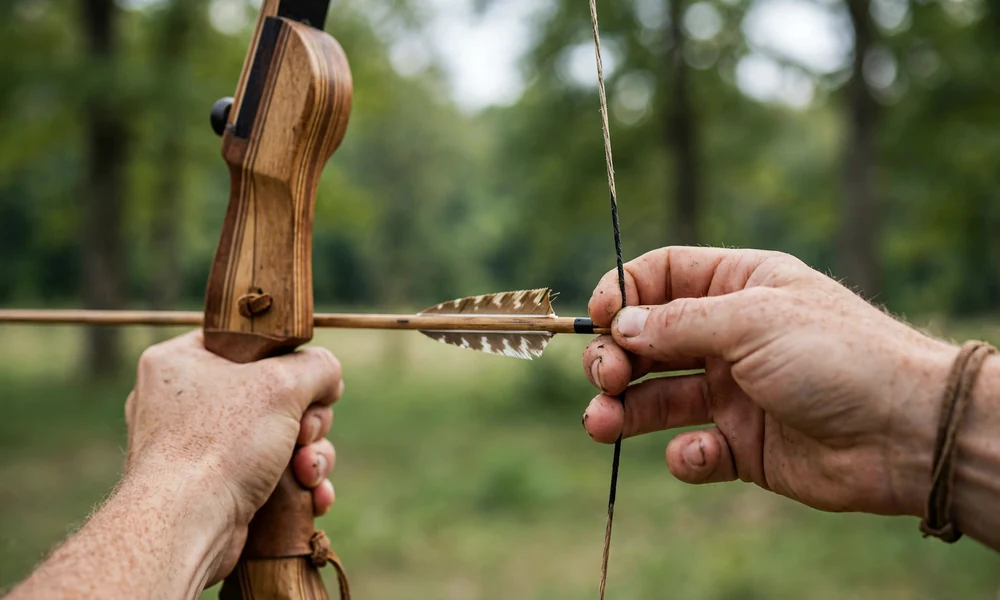
The first thing to judge is the draw. A good bow pulls back smoothly from start to finish, with no sudden jump in weight halfway through and no hard wall that surprises the shoulder. The draw should feel even and predictable, so the archer can focus on aiming instead of wrestling the limbs. If the bow stacks, getting heavier and heavier in the last few inches, the shot will always feel rushed. A smooth draw is the foundation of everything else, and it matters more than speed, looks or brand.
The second thing is balance in the hand. A bow that is grip-heavy or tip-heavy will wander on target, and the archer will spend the whole shot correcting instead of aiming. A good bow sits quietly in the hand at full draw, with the weight spread evenly and the grip shaped so the hand falls into the same place every time. The grip should feel comfortable without gloves, and the bow should not twist when the string is released. That steadiness is what turns a decent shot into a tight group.
The Four Main Types of Bow
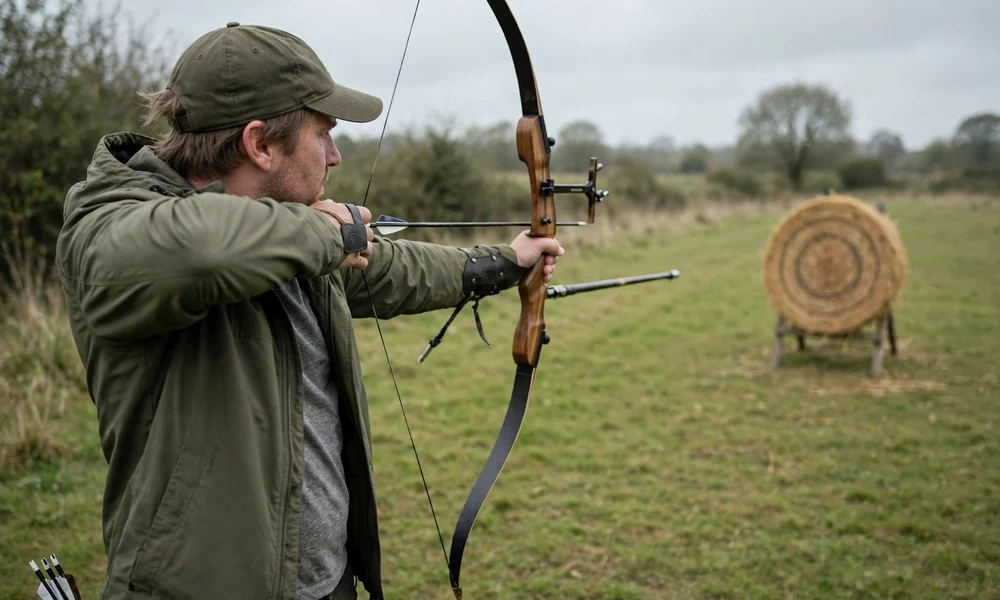
Recurve bows are the classic shape most people picture when they think of archery. The limbs curve away from the archer at the tips, which stores more energy and gives a fast, lively shot from a simple design. Recurves are quiet, light and easy to maintain, and they are the bow of choice for target archery and traditional shooting. They ask for good form, because there is no mechanical help, but they reward it with a pure, simple shooting experience. For anyone who wants to learn archery properly, a recurve is the honest place to start.
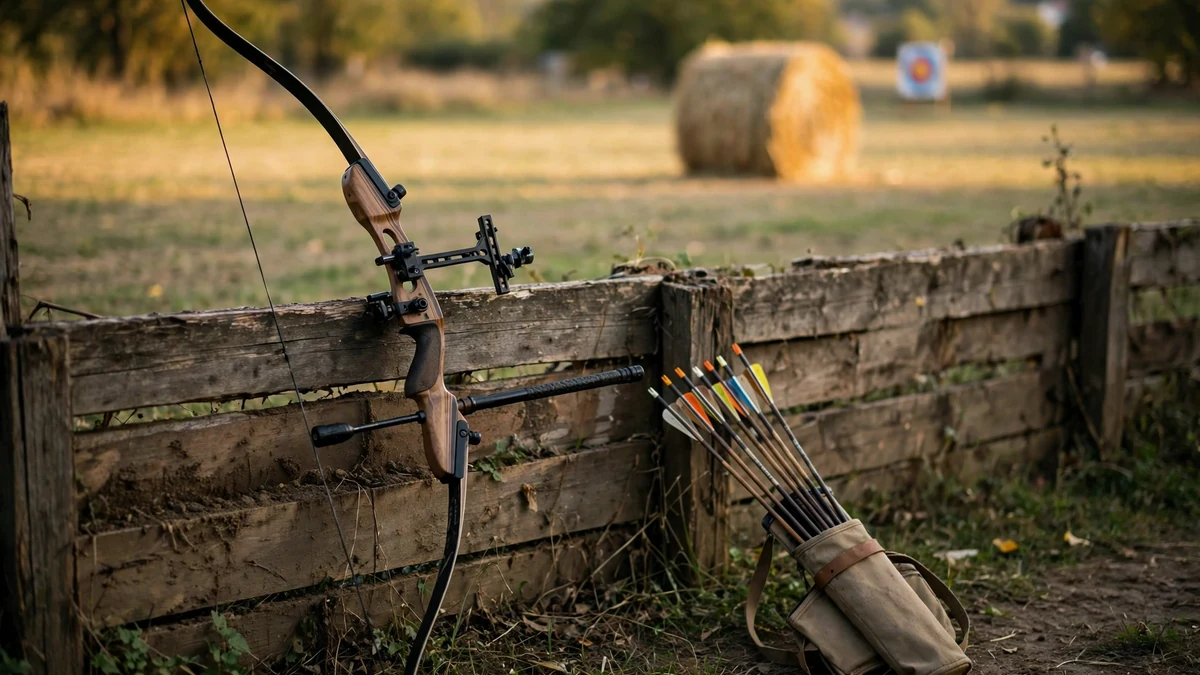
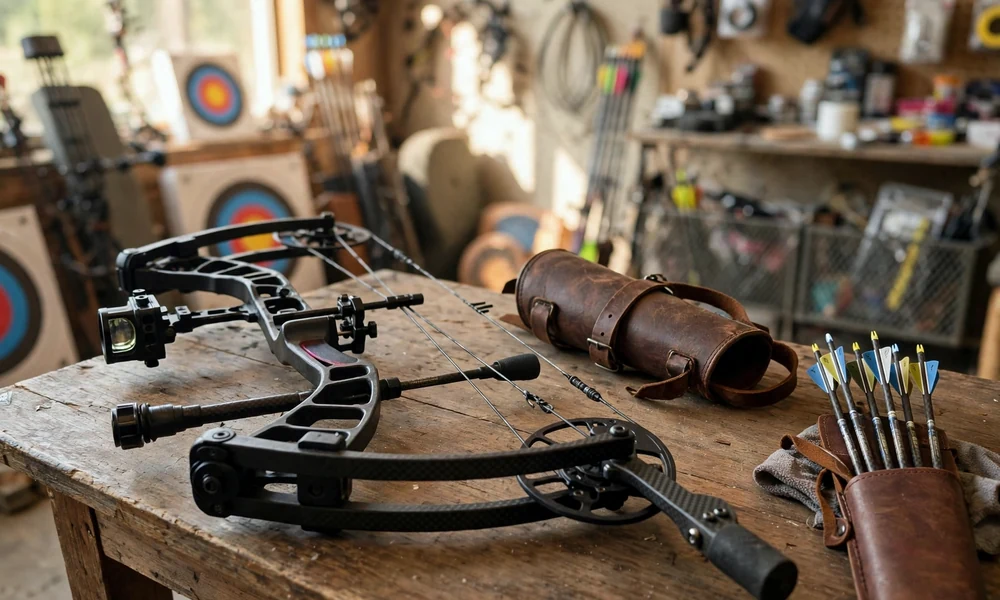
Compound bows use cams and cables to change how the draw weight feels. They are heavy to pull at first, then let off so the archer holds only a fraction of the weight at full draw. That let-off makes aiming far easier, and the mechanical design gives compound bows more speed and power than any other type at the same draw weight. They are the standard choice for bowhunting and for archers who want the most accurate, most powerful tool. The trade-off is complexity: more moving parts, more tuning, and more that can go out of adjustment.
Takedown bows are recurves or longbows that split into three pieces: a riser and two limbs that bolt on and off. They pack down small for travel and storage, and the limbs can be swapped for heavier or lighter ones as the archer gets stronger, which makes them the smartest first bow for most beginners. A takedown recurve costs little more than a one-piece bow, but it grows with the archer instead of being outgrown in a season. For a first bow, or a bow that needs to fit in a car boot or a cupboard, a takedown is hard to beat.
How to Choose Your Draw Weight
Draw weight is the weight the archer pulls to bring the bow to full draw, and choosing it wrong is the most common beginner mistake. Too heavy, and the archer will shake, snap the release and build bad habits that take months to undo. Too light, and the arrows will drop short and drift in the wind. The right draw weight is the heaviest weight the archer can draw smoothly, hold steady for several seconds and repeat twenty times without shaking. For most adult beginners that means roughly twenty to thirty pounds on a recurve, and a little more on a compound, because the let-off helps.
The Best Archery Bows of 2026
The best recurve for most archers this year is a mid-priced takedown with a comfortable wooden riser and smooth, forgiving limbs. It draws evenly, holds steady, and groups well at the distances most people actually shoot. The limbs swap easily, so the same bow can start at a gentle weight and grow with the archer over two or three seasons. It is quiet on release, light to carry and simple to string and maintain. For a first bow, a club bow or a relaxed target bow, this is the pick that makes the most sense for the most people.
The best compound bow of 2026 is a smooth-drawing, adjustable model built for the archer who wants accuracy above all. It offers a wide draw-weight range and a solid let-off, so it fits growing teenagers and experienced adults alike. The cams roll over gently instead of dumping into the valley, the back wall is firm, and the shot stays quiet and free of vibration. It is the bow for the archer who shoots several times a week, who wants tight groups at longer distances, and who is willing to learn a little tuning in exchange for the most forgiving shot in archery.
The best beginner bow is a lightweight takedown recurve sold as a complete set, with the bow, a string, a simple sight, an arm guard and a few arrows in the box. It costs less than a single month of many hobbies, and it removes every excuse not to start. The bow itself is forgiving and easy to draw, the set-up takes minutes, and the archer can be shooting respectable groups on the first afternoon. It is not the bow for winning competitions, but it is the bow that turns a curious beginner into a regular archer, and that is worth more than any trophy.
The best longbow of 2026 is a hand-finished wooden longbow with a slim, elegant profile and a smooth, stack-free draw. It is not the fastest bow and it is not the easiest to shoot well, but it is the most rewarding, and for the archer who values tradition and craft it has no equal. It is quiet in the woods, beautiful to hold, and every good shot feels earned. It suits the archer who shoots for the pleasure of the shot itself, who does not mind a learning curve, and who wants a bow that will still be shooting beautifully in twenty years.
The best bow for young archers is a short, light takedown recurve with a low draw weight and a grip sized for smaller hands. It is short enough to handle comfortably, light enough to hold steady, and adjustable enough to grow with the child for a couple of years. Safety matters most here: the bow should be light, the arrows matched to it, and an adult should always supervise the first sessions. A good youth bow makes archery feel easy and fun from the very first arrow, and that first impression decides whether a child comes back.
What Else You Need
A bow on its own is only half the kit. Arrows matter as much as the bow, and they must match its draw weight and draw length: arrows that are too stiff or too weak will fly sideways no matter how good the bow is. A simple arm guard stops the string from stinging the forearm, a finger tab or glove protects the drawing fingers, and a quiver keeps arrows close and safe. A target is essential, whether it is a straw boss, a foam block or a bag target, because shooting at anything else is unsafe and ruins arrows. None of this costs much, and all of it makes the first sessions far more enjoyable.
Common Mistakes to Avoid
The biggest mistake is buying too much bow. A heavy draw weight looks impressive in the shop and feels awful on the range, and it builds habits that are hard to break. The second mistake is buying arrows that do not match the bow, which guarantees crooked flight and lost arrows. The third is skipping safety: never dry-fire a bow, never shoot without a safe backstop, and never point a nocked arrow at anything except the target. Dry-firing, releasing the string with no arrow, can crack limbs and void a warranty in a single second.
Another common mistake is neglecting the string. A bowstring stretches and wears, and a worn string changes the brace height and the tune of the whole bow. Waxing the string regularly takes a minute and doubles its life. Storing a bow strung in a hot car or leaning in a damp corner will warp limbs over time, so the bow should be unstrung when it is not in use and kept somewhere cool and dry. A little care goes a long way: a well-kept bow will shoot well for decades, while a neglected one loses its spark in a single season.
How Archery Fits a Quiet Weekend
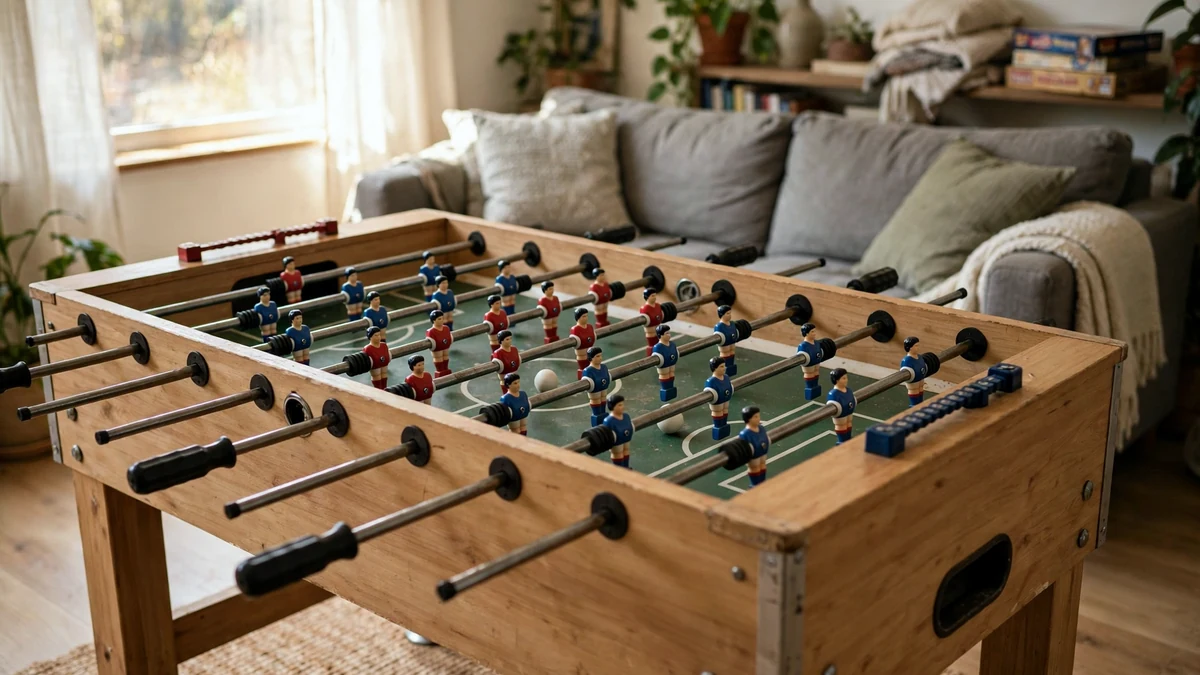
Archery is one of the few sports that rewards slowing down. There is no scoreboard to chase on a casual afternoon, no opponent across the field, just the archer, the bow and the target. That calm is part of the appeal, and it is why archery sits so well beside other gentle weekend pastimes. An afternoon at the range pairs naturally with a relaxed game afterwards, and many archers keep a board games evening as their way to wind down once the bows are put away. The same patience that steadies a shot makes for a good game night: both reward focus, both are better shared, and neither needs to be competitive to be enjoyable.
The hobby also builds the kind of hand-eye coordination that carries into other games. The steady aim and smooth release of archery have a lot in common with the controlled roll of a bowling ball or the quick wrist of a table tennis rally, and archers often find they pick up those games faster than expected. Readers who enjoy that kind of precision will find plenty to like in the best bowling balls and the best table tennis paddles guides, which cover the same idea from a different angle: the right gear, matched to the player, makes the whole game more fun.
The Verdict
The best archery bow of 2026 is the one that fits the archer holding it. For most people that means a mid-priced takedown recurve: smooth, forgiving and able to grow with its owner. For the archer who wants power and precision, a smooth adjustable compound is the better tool. For the traditionalist, a hand-finished longbow is the most rewarding bow in the sport. Whatever the choice, start light, match the arrows, respect the safety rules and look after the string. A bow chosen this way will not just shoot well on the first day; it will still be shooting well years from now, and every good group will feel like it was earned.