How to Choose Ironing Board Covers That Stay Smooth in 2026
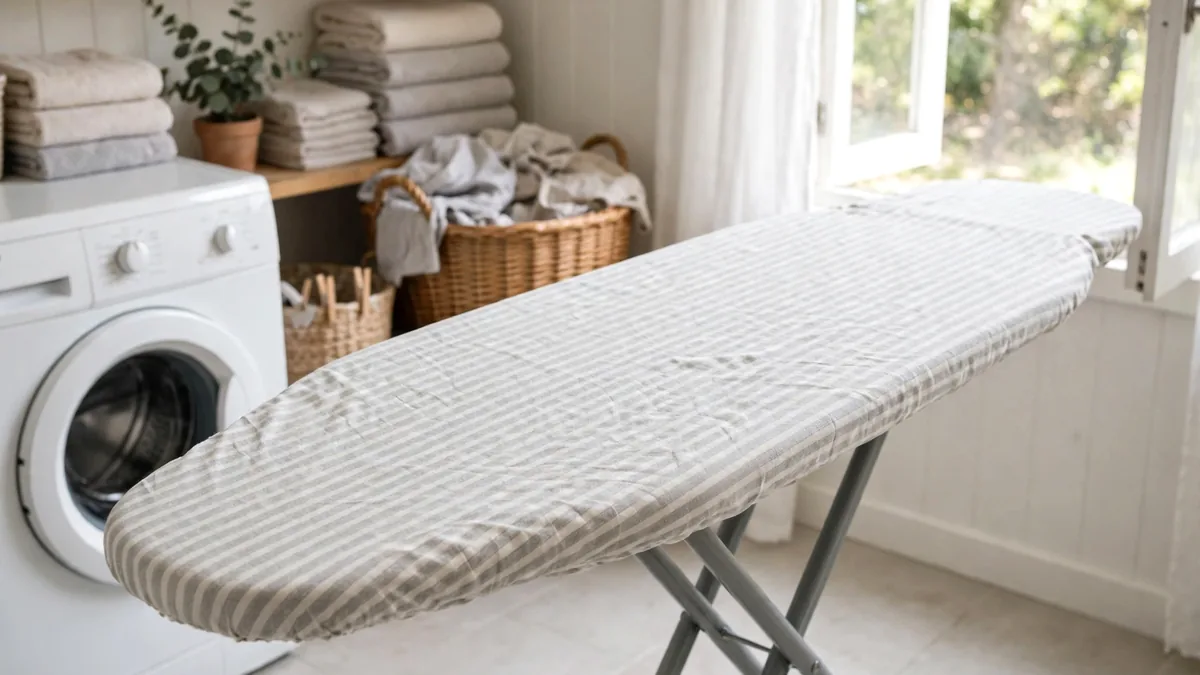
An ironing board cover is the quiet workhorse of the laundry room, and a bad one can undo everything your iron does. When the cover slips, bunches, or lets the mesh pattern print through onto a white shirt, no amount of steam will save the result. The best ironing board covers stay smooth and taut, let steam pass through instead of trapping it, and fit your board so well that you forget they are there.
Key Takeaways
- Measure your board before you buy: most standard boards are 122 by 38 centimetres, but wide boards need a 130 by 48 centimetre cover.
- Thick cotton with a felt or foam pad underneath gives the smoothest press and the best steam pass-through.
- An elastic edge or a drawstring that you can pull tight is what keeps a cover from slipping and bunching mid-iron.
- Metallised and silicone-coated covers reflect heat back into the fabric, so heavy cotton and linen press faster.
- Replace a cover when it scorches, thins in the middle, or leaves the mesh pattern on your clothes.
What an Ironing Board Cover Actually Does
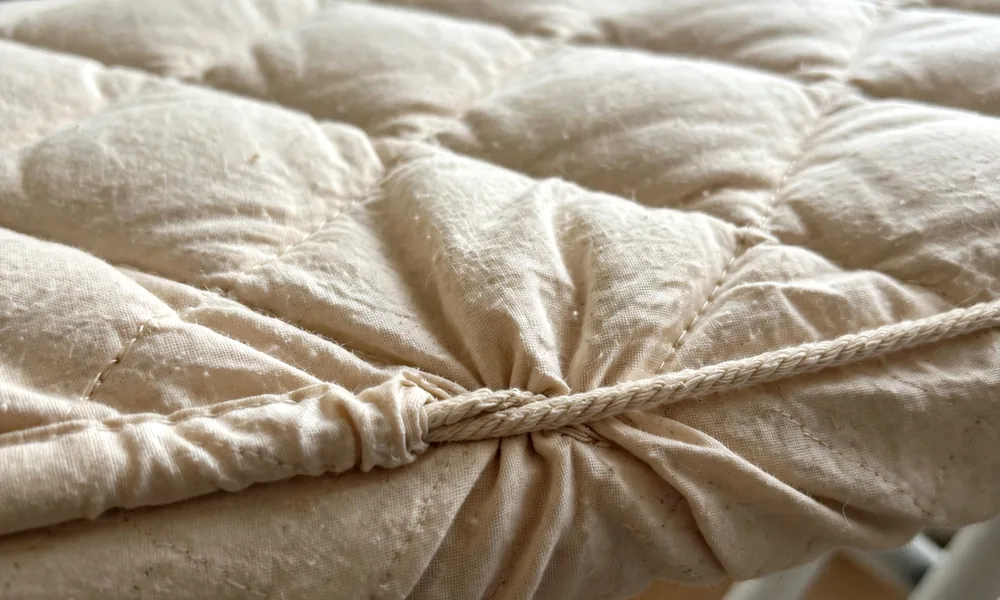
It helps to think of the cover as three layers working together. The top layer is the fabric you see, usually cotton, and it is the surface the iron glides across. Underneath sits the padding, felt, foam, or quilted fibre that cushions the fabric and stops the hard mesh from showing through. The third part is the fastening, an elastic hem or a drawstring that pulls the whole thing tight so it cannot shift while you work.
Covers also protect the board itself. Steam and heat wear down bare mesh over time, and a scorched cover is a sign that the heat has nowhere sensible to go. A fresh cover restores a board that otherwise looks finished, which is why replacing the cover is the cheapest upgrade in the laundry room. Our guide to the best vs worst ironing boards covers the boards themselves, and the same logic applies here: the pressing surface decides the result far more than the frame underneath it.
The Main Types of Ironing Board Covers
Most covers fall into four families. Cotton covers are the everyday default: a plain cotton top over a felt or foam pad, washable, breathable, and kind to delicate fabrics. Their weakness is speed, because cotton absorbs some heat and steam, so heavy linen takes a few extra passes.
Metallised and Silicone-Coated Covers
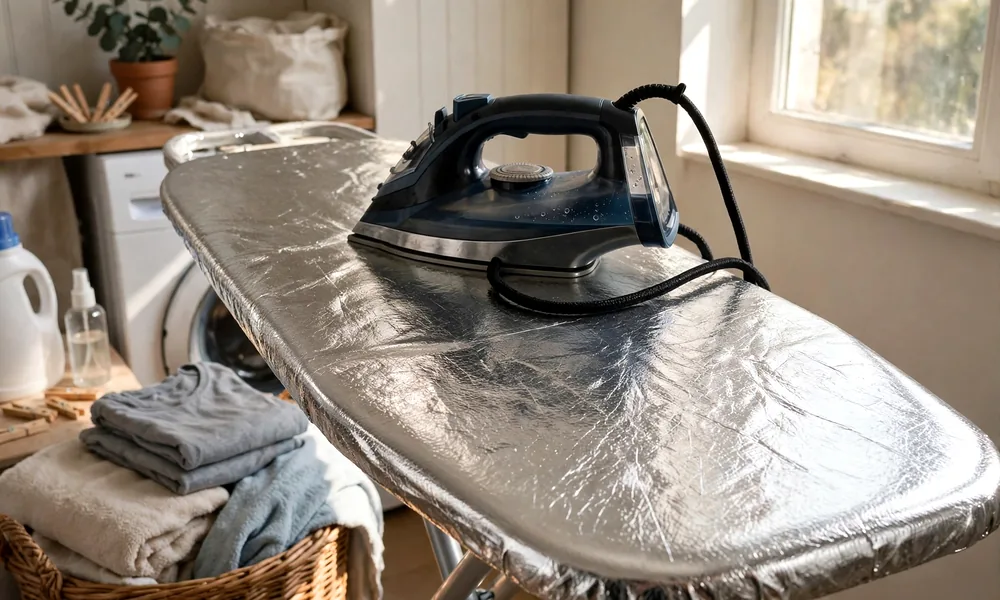
Metallised covers have a thin silvery coating bonded to the fabric, and silicone-coated covers have a slick, slightly shiny finish. Both reflect heat back up into the garment, so shirts press noticeably faster and stubborn creases in denim and linen give up sooner. The trade-off is glide: some silicone finishes feel grabby until they warm up, and metallised coatings wear thin in the middle after a year or so of heavy use.
Padded and Quilted Covers
Padded covers add a thicker layer of foam or quilted fibre under the top fabric, and they are the most forgiving option for beginners. The extra cushion stops the mesh pattern from showing through and makes the board feel softer under the iron. Look for padding around 4 to 6 millimetres thick as the sweet spot, and avoid the very thickest covers unless your board is old and its mesh is uneven.
Scorch-Resistant and Heavy-Duty Covers
Heavy-duty covers are built for people who iron every day or run the iron at its hottest setting for linen and cotton. They use a denser weave, a heat-resistant coating, and a thicker pad, and they survive the scorch marks that kill ordinary covers in months. If you iron once a fortnight, a standard cotton cover will last just as long and cost half as much.
How to Measure Your Board Before You Buy
Getting the size wrong is the most common mistake, and it is also the easiest to avoid. Measure the board itself, not the old cover, because the old cover has stretched. Measure the length from the square end to the tip of the nose, and the width at the widest point, usually near the square end. Most standard boards measure about 122 by 38 centimetres, and most covers sold as standard fit that size. Wide boards run about 130 by 48 centimetres, and compact or tabletop boards are smaller still, often around 96 by 30 centimetres.
Do not forget the nose. The tapered end is where sleeves and narrow seams get pressed, and a cover that does not fit it properly bunches exactly where you need it smoothest. Fit the nose first and work back towards the square end, pulling the fabric evenly on both sides.
What to Look For: Fit, Padding, and Steam
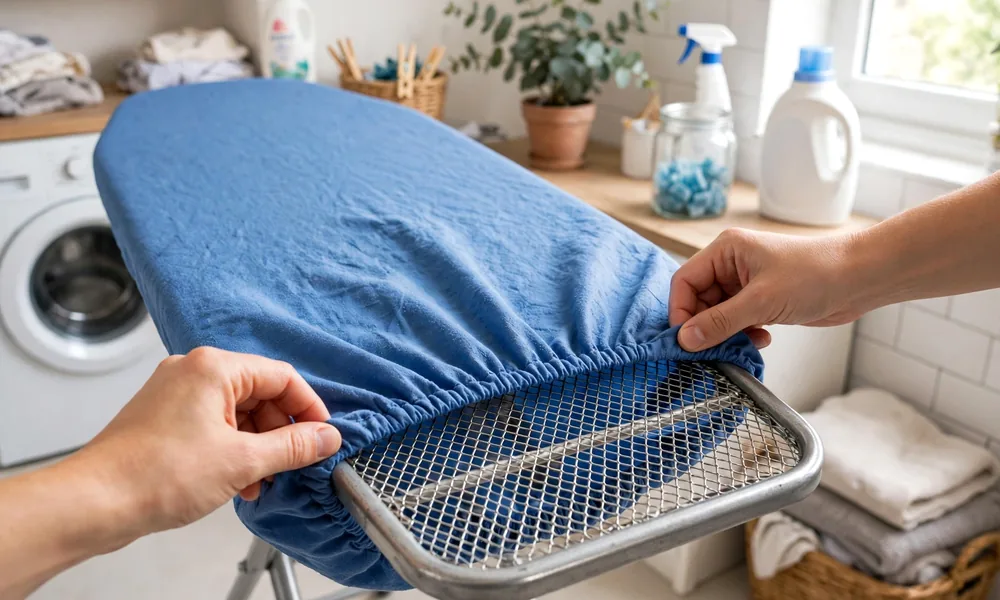
Fit comes first, because everything else depends on it. The cover should sit flat with no wrinkles, and stay flat when you lean into a stubborn crease. Test the fastening before you buy: an elastic hem should feel firm, not slack, and a drawstring should slide freely and lock with a cord toggle.
Padding is the second thing to judge. Press the cover with your palm: you should feel a firm, even cushion, not a hard board and not a soft sponge. Run your hand across the middle, where most ironing happens, and check the padding is the same thickness there as at the edges. Cheap covers thin out in the centre, and that is when the mesh pattern starts appearing on your clothes.
Steam pass-through is the third test, and it is the one most people skip. Hold the cover up to the light: you should see a faint glow through the weave, which means steam can get through. A cover that is too dense traps steam underneath, and the board feels damp after a session. Pairing the right cover with the right iron matters too, and our guide to the best steam irons explains how soleplate steam output and cover choice work together.
Ironing Board Covers Compared
| Cover type | Best for | Steam pass-through | Fit and hold | Typical price |
|---|---|---|---|---|
| Plain cotton | Everyday shirts and delicates | Excellent | Good with a drawstring | Low |
| Padded and quilted | Beginners and uneven boards | Good | Very good, hides mesh | Low to medium |
| Metallised | Heavy cotton and linen | Good | Good, reflects heat | Medium |
| Silicone-coated | Fast pressing, sticky fabrics | Fair | Good, slick surface | Medium |
| Heavy-duty scorch-resistant | Daily ironing, high heat | Good | Excellent, stays taut | Medium to high |
| Sleeve and tabletop | Sleeves, small spaces | Good | Good on small boards | Low |
The Best Ironing Board Covers of 2026
Our best overall pick is a thick cotton cover with a felt pad and a drawstring fastening, because it does everything well and nothing badly. It presses shirts, blouses, and trousers cleanly, lets steam through without trapping moisture, and can be washed and re-fitted without losing its shape.
The best cover for heavy fabric is a metallised one. The reflective coating genuinely shortens pressing time on linen, denim, and heavy cotton, because the heat works from both sides at once. It is the right choice if your ironing pile is mostly table linen, work shirts, and jeans, and you want the session over faster. Expect to replace it a little sooner than a plain cotton cover, because the coating wears in the middle first, but the time it saves is worth it.
The best budget cover is a plain cotton cover with a medium felt pad and an elastic hem, provided it is the right size. It will not press heavy linen as fast as a metallised cover, and it will not hide a badly dented board the way a quilted cover will, but for everyday shirts it is all most people need.
The best cover for delicate fabric is a smooth, uncoated cotton cover with a thin pad, because it glides gently and never snags silk or fine wool. Keep a separate cover for delicates if you also iron heavy cotton at high heat. For the rest of the laundry routine, hanging clothes properly matters as much as pressing them, and our guide to the best clotheslines covers drying setups that leave fewer creases to iron out.
Fitting and Caring for Your Cover
Fitting a new cover is a two-minute job if you work from the nose back. Slip the nose end on first, then pull the cover down the board, smoothing it as you go so the pattern stays straight. Pull the drawstring or elastic tight at the square end, lock it, and then run your hand over the surface to check for wrinkles. If the cover has a separate felt pad, lay the pad on the board first and fit the cover over it; if the pad is sewn in, skip that step. Iron a test cloth or an old tea towel first, because a new cover sometimes sheds a little lint on its first use.
Ironing Board Cover Buying Checklist
- Measure the board’s length and width at its widest point, and buy the cover size that matches those numbers.
- Choose cotton for everyday ironing, metallised for heavy linen, and padded for an old or uneven board.
- Check the fastening: a drawstring with a toggle holds tension longer than a thin elastic hem.
- Press the padding with your palm and check it is even in the middle, where most ironing happens.
- Hold the cover up to the light to confirm steam can pass through the weave.
- Keep a second cover for delicates if you also iron heavy fabric at high heat.
Frequently Asked Questions
What size ironing board cover do I need?
Measure your board from the square end to the nose for length, and across the widest point for width. Most standard boards are about 122 by 38 centimetres, and wide boards are about 130 by 48 centimetres. Buy the cover size that matches your measurements, not the size of your old cover, which will have stretched.
How often should I replace an ironing board cover?
Most covers last one to two years with weekly use. Replace yours sooner if it scorches, thins in the middle, slips no matter how tight you pull it, or leaves the mesh pattern on clothes.
Are metallised ironing board covers better than cotton ones?
They are better for heavy fabric, because the reflective coating bounces heat back into the garment and presses both sides at once. For everyday shirts and delicates, plain cotton presses just as well and lets steam through more freely.
Can I wash an ironing board cover?
Most cotton covers can be machine washed on a gentle cycle and dried flat. Metallised and silicone-coated covers usually need a cool wash or a wipe with a damp cloth, so check the label first. Always dry the cover fully before refitting it to avoid mildew.
Why does my ironing board cover keep slipping?
It is usually the fastening. Thin elastic hems loosen after a few washes, and a cover that is slightly too big will never sit taut. A drawstring cover in the correct size, pulled tight and locked with a toggle, stays put far longer.
Do I need a separate pad under the cover?
It depends on the cover. Many covers have the pad sewn in and need nothing extra. If your cover is a thin cotton shell, a separate felt pad underneath stops the mesh pattern from showing through. Replace the pad when it goes flat or lumpy, at the same time as the cover.
The Bottom Line
The best ironing board covers are the ones that fit properly, stay taut, and let steam through. Measure your board, pick cotton for everyday use or metallised for heavy fabric, and replace the cover the moment it scorches or thins. It is the cheapest upgrade in the laundry room, and it is the one that shows up most clearly in how your clothes look.